









Textured Paper Bags for Luxury Retail Packaging
See how pronounced and fine paper textures work with logos and handles, then learn what to check on paper swatches and finished samples for a custom luxury shopping bag.
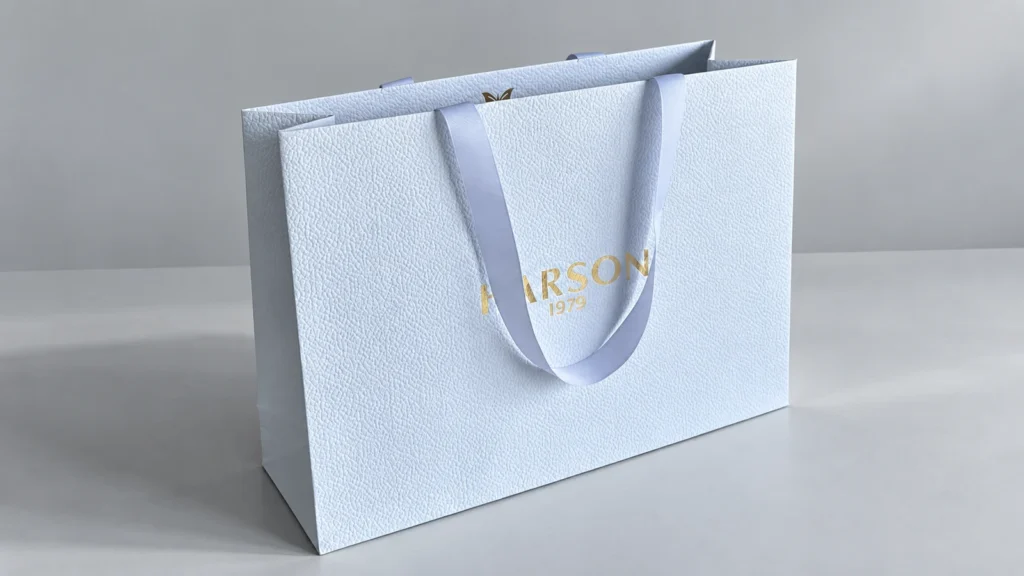
Textured paper can give a custom shopping bag a distinctive luxury feel before any decoration is added. The surface adds visual depth and a tactile detail when the bag is picked up. A considered logo and a well-matched handle can then complete the design without covering the paper that makes it interesting.
For fashion boutiques, jewellery, beauty and gift packaging, the useful starting point is the impression you want to create. A pronounced grain makes a strong material statement; a finer texture can support a quieter design. Choose the paper, logo treatment and handles together, then confirm the result with a physical sample.
PAQIVA makes paper bags to project specifications, including size, paper, handles and artwork. Its paper options for custom bags are a starting point for the material discussion. The photographs here are design references for discussing that brief.
Choose a texture that fits the brand
“Specialty paper” describes a broad selection of papers rather than one fixed material or quality level. For textured paper bags, ask to see the actual surface pattern, colour and available weights. Two papers described as textured can differ considerably in how visible the pattern is and how they feel when folded into a bag.
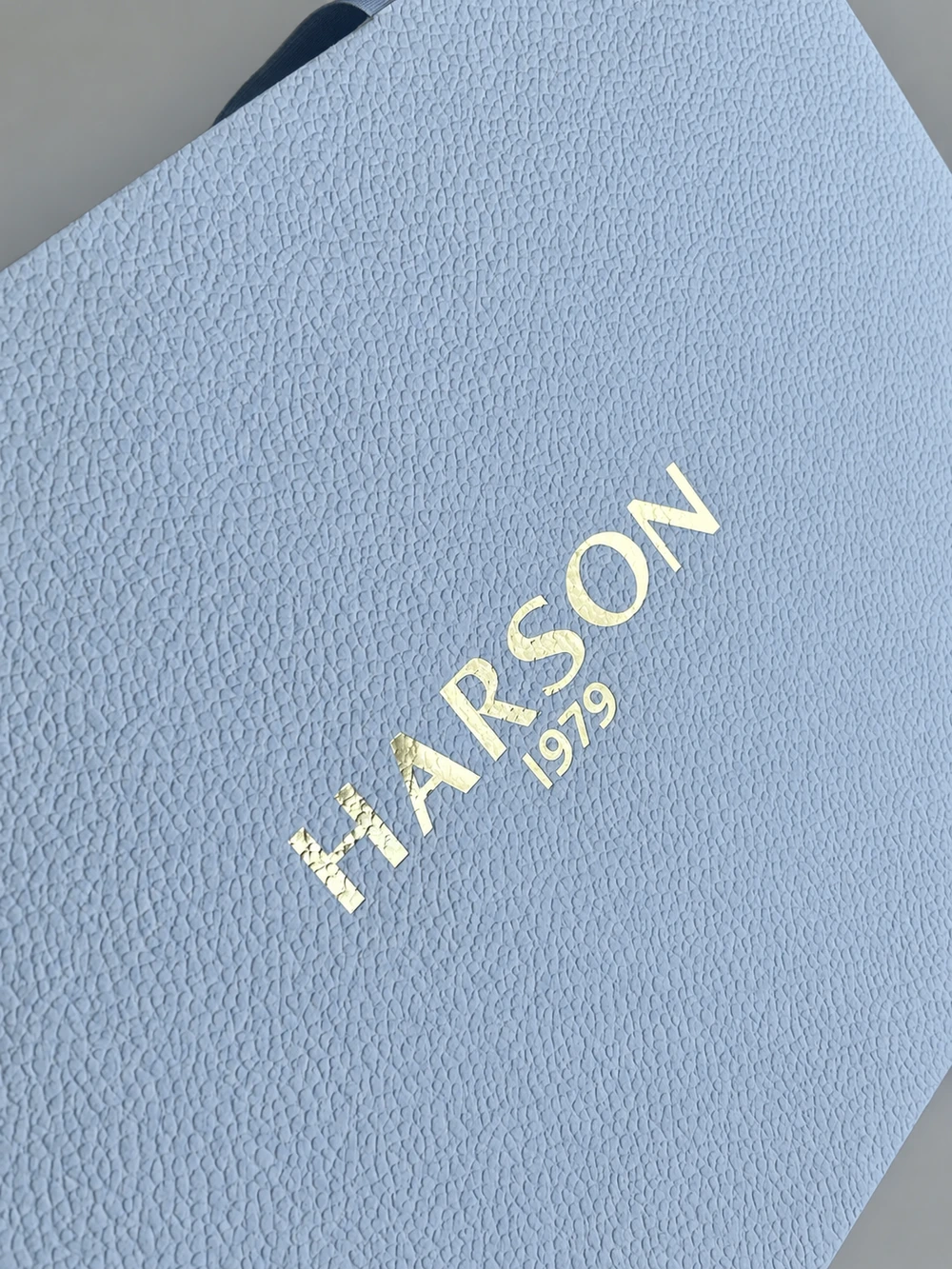
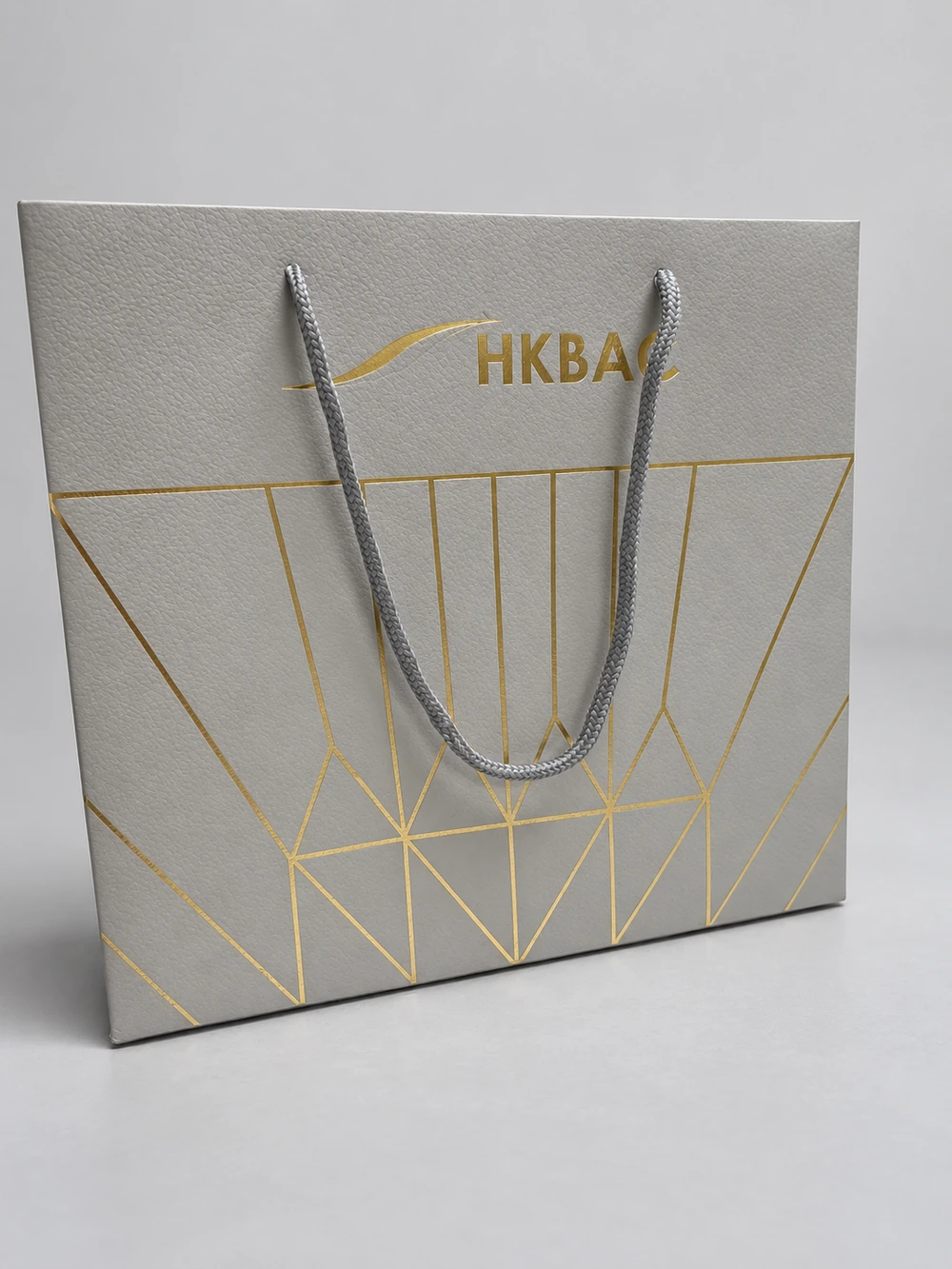
The pale bag in the main photograph has a pronounced, irregular grain. Its close-up shows how that surface remains visible around the gold-coloured lettering. This combination can suit a brand that wants the material itself to be a noticeable part of the presentation.
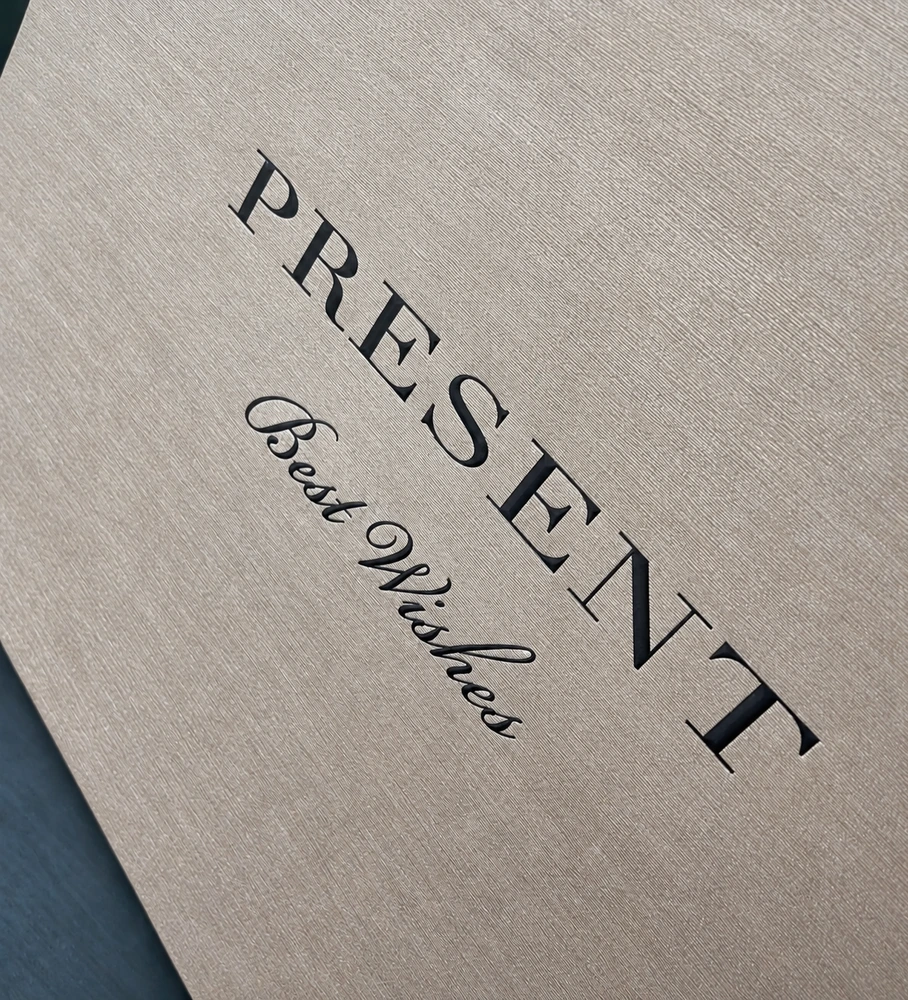
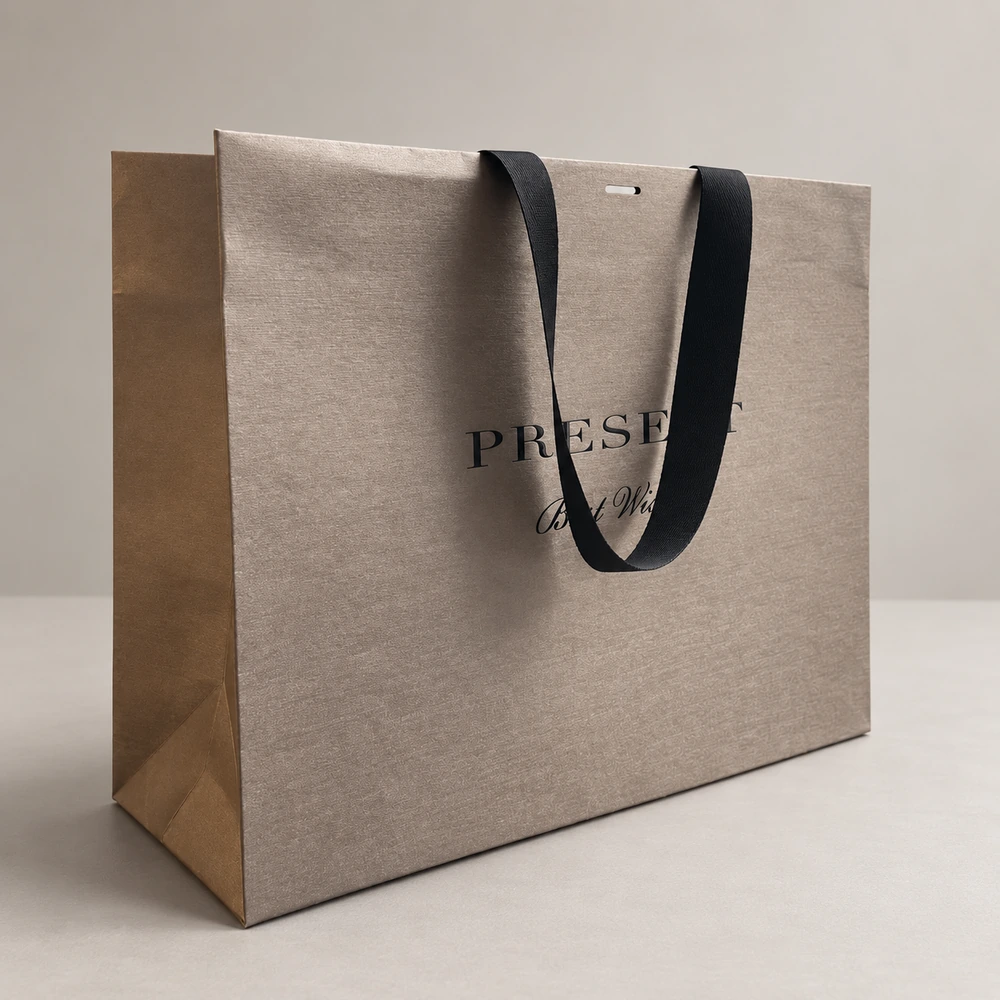
A finer, more closely spaced pattern offers another direction. On the taupe example below, the paper gives the large panel visual interest while the dark lettering and ribbon provide contrast. Keep useful areas of the paper visible when planning the artwork; a busy pattern or large image can compete with the surface.
Names such as pebbled, linen-like or woven-look can help describe an appearance. Ask for the paper supplier's grade and texture reference as well, because a descriptive name alone does not identify its fibre composition or performance.
Let the logo work with the paper
Gold or silver foil, a dark printed logo, or a restrained embossed mark can each create a different result on textured paper. The right choice depends on the paper and the design. A full-sheet paper texture and a raised logo are separate features; Fedrigoni's paper glossary distinguishes patterned paper from embossing a selected design. Specify them separately when requesting a sample or quotation.
The fine-textured example uses large dark lettering with a smaller script line. It illustrates how letter size, spacing and contrast can keep a brand mark prominent while leaving the surrounding surface visible.
For foil or ink on a pronounced texture, check small letters, fine strokes and filled areas on the actual paper. Surface relief can affect contact and coverage. For example, Fedrigoni's Acquerello processing guide calls for printing adjustments on its felt-marked surface and advance assessment of lamination. Ask the printer to test the proposed artwork rather than assuming that a result achieved on a smooth card will transfer unchanged.
Decide which details matter most: a clean wordmark, an intricate symbol, a reflective highlight or a subtle relief. If the design needs several special effects, approve the combination as a whole. Each added process should have a visual purpose and be included in the quote.
Match the handles to the surface
Handle colour, width and attachment can reinforce the direction set by the paper. The grey example pairs a visible grain with a similarly coloured cord handle and gold-coloured geometric lines. The restrained handle colour lets the panel design remain the focus.
The taupe bag takes a different approach, using wide black ribbon and dark lettering against the fine-textured surface. The contrast makes the handles part of the design. A matched handle colour can look quieter; a contrasting colour can connect the bag to the brand palette.
Compare handle and attachment options, including loop length, how the handles fall when the bag is set down, and comfort with the intended contents. A wide ribbon is not proof of a stronger bag. Attachment, top reinforcement, paper and the finished construction need to work together. Include these choices in the sample request, not just the handle colour.
Choose paper for the finished bag
The most attractive flat sheet still needs to fold, glue and carry the intended product well. Ask the supplier to assess the selected grade at your bag dimensions, including the top fold, side gussets, base and handle connection areas.
Paper weight in GSM is one part of the specification. Thickness, stiffness, grain direction and the bag construction also matter. A heavier sheet is not automatically the better choice, and a deep-looking surface pattern does not establish load capacity. Confirm fit and carrying performance with the packed product and a finished sample.
If the tactile surface is the main reason for choosing the paper, ask what any proposed coating or lamination will do to it. A finish can alter the appearance and feel. Compare the intended finished surface rather than approving a bare paper swatch and assuming it represents the final bag.
Approve the paper and the complete sample
Use a paper swatch to choose the surface, then a finished bag to approve how it works with the design. Check these points together:
- Surface and colour: view the paper straight on and at an angle under consistent lighting, then feel it by hand. Confirm whether texture direction matters to the design.
- Logo detail: inspect the smallest text, fine lines, solid areas and any foil edges. Agree which result becomes the production reference.
- Folds and corners: check creases, rubbing, visible cracking and the appearance of the side and bottom folds after opening the bag.
- Handles and fit: load the intended product, including its box or wrapping, and check clearance, carrying comfort and attachment points.
- Everyday appearance: agree suitable checks for rubbing, scuffing and transfer of colour. Texture alone does not guarantee resistance to wear or moisture.
Photographs help compare design directions, but they cannot communicate touch or provide a dependable colour match. Keep the approved physical sample, paper reference and artwork version together for production and repeat orders.
Plan a textured paper bag around your project
Start with a texture reference or a physical paper sample, then share the bag dimensions, packed contents, quantity per design, desired logo treatment and handle preference. Include the delivery destination and required arrival date so the supplier can assess the complete order.
The selected paper grade, available sheet size, colour, decoration and construction can all affect the quote and production arrangements. Confirm material availability early, especially if a repeat order needs the same paper. Agree any substitution before production because a similar colour may have a noticeably different surface.
PAQIVA provides free custom-size dielines and free paper bag design assistance. Send your texture reference and project brief to PAQIVA to create a textured paper bag around your brand and products.