









Are Branded Paper Bags Worth the Cost for a Small Retailer?
At around 300 bags a month, custom branding is worth pricing. Compare 900-bag quarterly and 1,800-bag half-year plans, size mixes and the extra cost over your current bags.
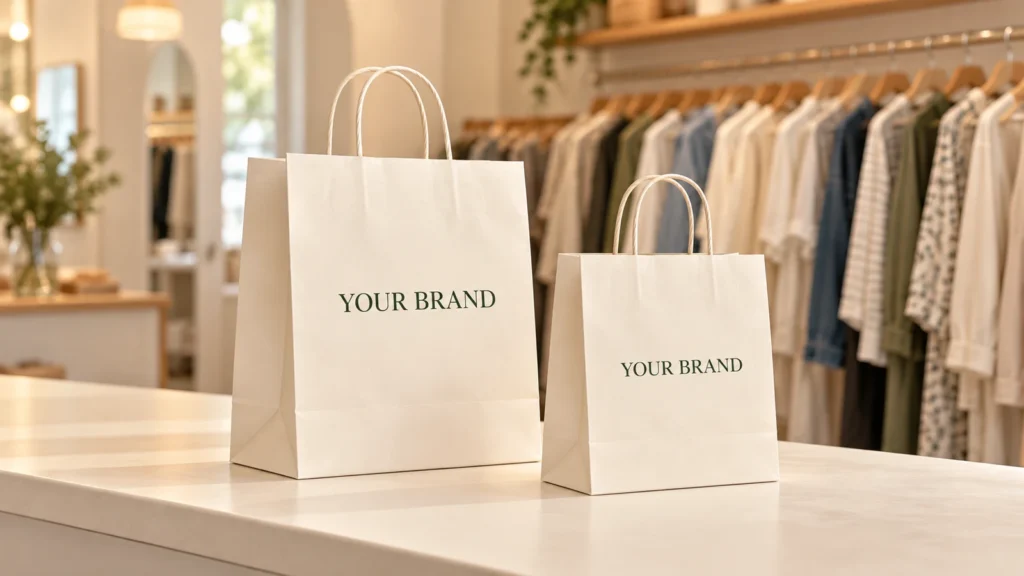
Yes—if your shop uses around 300 paper bags a month or more, branded bags are worth getting a quote for. Our practical view at PAQIVA is that a quarterly or half-year order can make custom printing a manageable part of everyday packaging, while giving customers a more consistent impression of your store.
At that usage, three months means about 900 bags and six months means about 1,800 bags. Those are useful quantities to compare. The decision still depends on the delivered price, the mix of sizes you need and how much stock you can comfortably hold. The aim is a bag that looks like it belongs to your shop, at an extra cost the business can sustain.
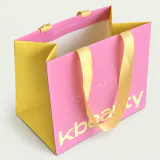
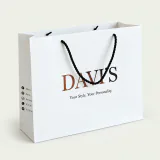
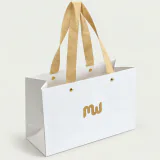
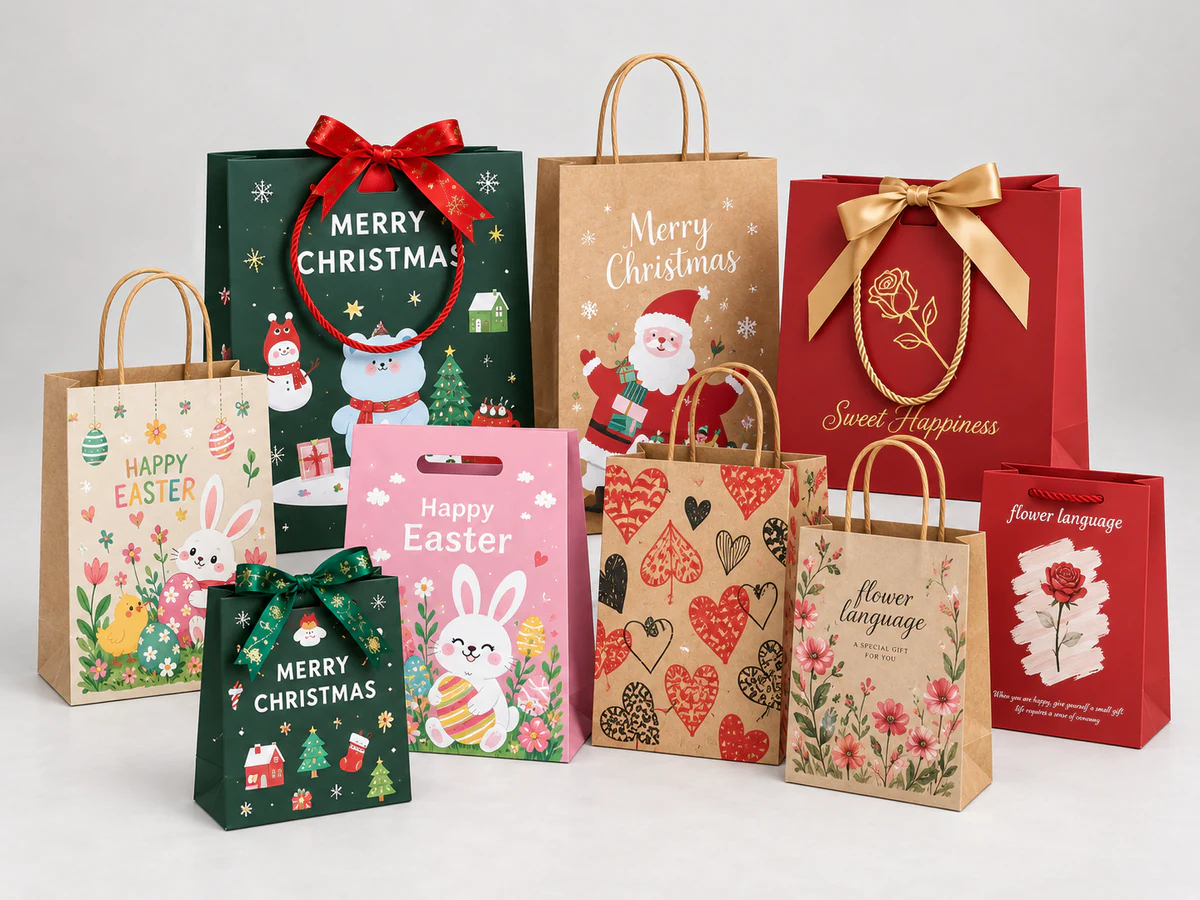
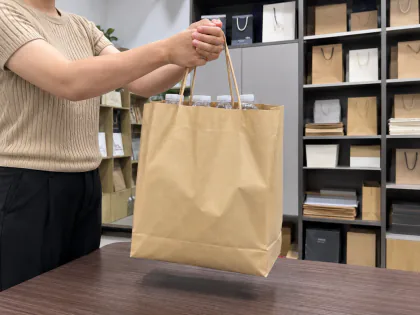
The cover shows an illustrative bag-design concept. The shop images below are retail styling references, not PAQIVA customer case studies.
What does a branded bag add to a small shop?
A good store already has a recognizable feel: its sign, colors, product selection and the way purchases are handed over. A printed paper bag lets that presentation continue after the customer leaves. The store name remains visible, and a gift recipient can see where the purchase came from.
Consider the warm, neutral boutique below. A restrained logo, a suitable bag shape and a color that works with the store could feel more coherent than an elaborate bag chosen simply because it looks expensive.
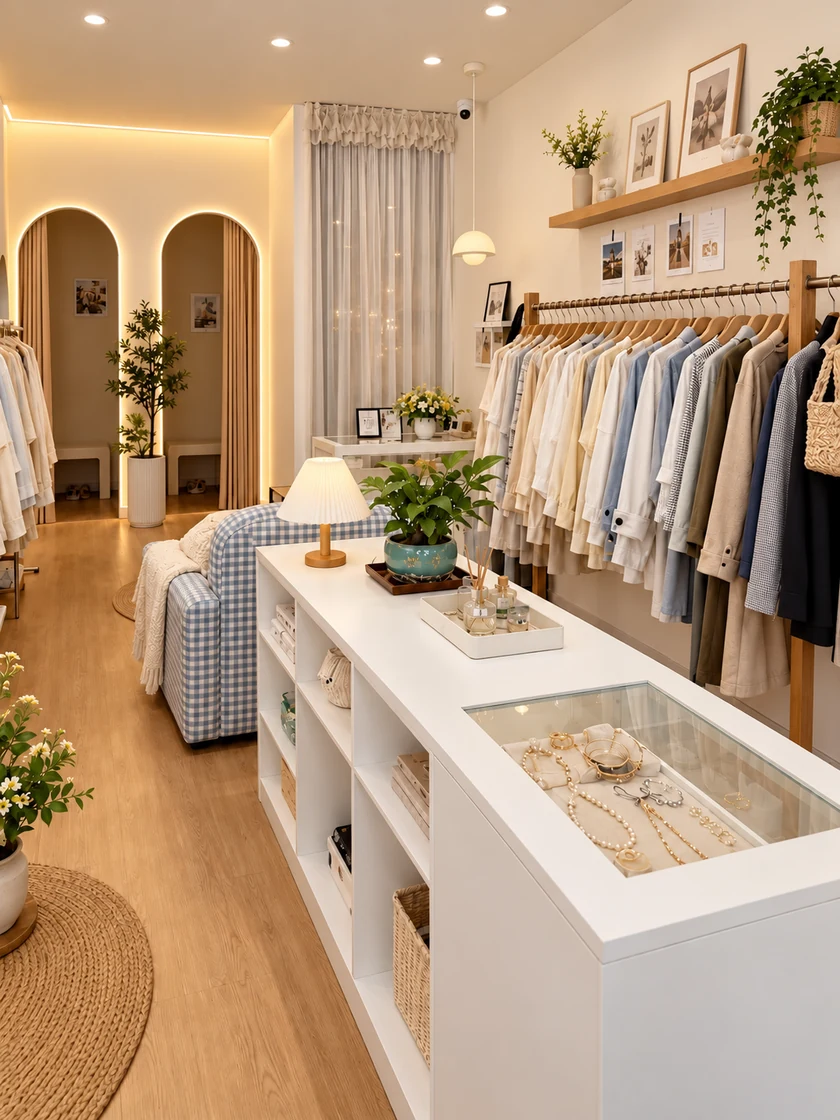
That consistency is the clearest reason to spend on branding. It is reasonable to value a tidier handover and a recognizable name; it is not reasonable to assume that every bag seen on the street will produce another sale. Treat the bag as part of the shopping experience, then judge whether the extra expense fits your own business.
Turn 300 bags a month into an order plan
Start with bags actually issued, rather than transaction count. One customer may buy several items in one bag, while another purchase needs two. Use recent stock records and allow for known busy or quiet periods.
For a shop using a steady 300 bags each month:
| Buying period | Calculation | Estimated use |
|---|---|---|
| One quarter | 300 × 3 months | 900 bags |
| Half a year | 300 × 6 months | 1,800 bags |
These are consumption estimates before any separately planned reserve, not supplier minimums or promised delivery schedules. Ask for the practical order quantities closest to them. A larger run can spread fixed setup costs over more bags, but the actual saving depends on the printing route and specification.
Also split the forecast by size and artwork. If 80% of your use is one medium bag and 20% is a small bag, the quarterly estimate becomes 720 medium and 180 small; the half-year estimate becomes 1,440 medium and 360 small. These figures assume the same mix throughout the period. Do not assume a 900-piece total will be priced as one run when it contains different sizes or designs. Ask how the minimum and setup charges apply to each.
This is why 300 per month is a useful starting point for discussion, rather than a universal threshold. A retailer with one steady, year-round design has a simpler decision than a shop dividing the same volume across several sizes and seasonal prints.
Compare the extra cost with your current bag
The useful comparison is not “custom bags versus no packaging.” Your shop may already be buying plain bags, stickers or stamps, and spending time applying the branding. Compare options that serve the same purchases and provide a suitable level of carrying performance.
Ask for the complete cost to get each option to your stockroom, including any separately charged setup and applicable delivery or import costs. Divide by the quoted quantity, counting each charge once. Keep other differences, such as sticker application time or extra storage, visible alongside that figure.
Extra monthly bag spend = extra delivered cost per bag × bags used per month.
For a simple illustration, suppose the custom bag costs US$0.15 more per bag than the current option after delivery and applicable charges. At 300 bags per month, that is US$45 extra per month: 300 × US$0.15. These are invented planning inputs, not a market price or a PAQIVA quotation. Replace the difference with the two actual quotes.
That calculation gives the owner a concrete question: is a more consistent presentation worth this amount each month? It does not predict extra sales. It also does not show the cash needed upfront—a six-month purchase still requires paying for substantially more bags than a quarterly one, according to the agreed payment terms.
If your use is low or unpredictable, compare stamps, stickers and printed paper bags before committing. Plain stock with simple branding can remain a sensible starting point while you learn which sizes and designs you use most.
Make the bag recognizable before making it elaborate
You do not have to reproduce every detail of the store. Identify the one or two elements customers should recognize: usually the store name, a clear logo and a familiar color.
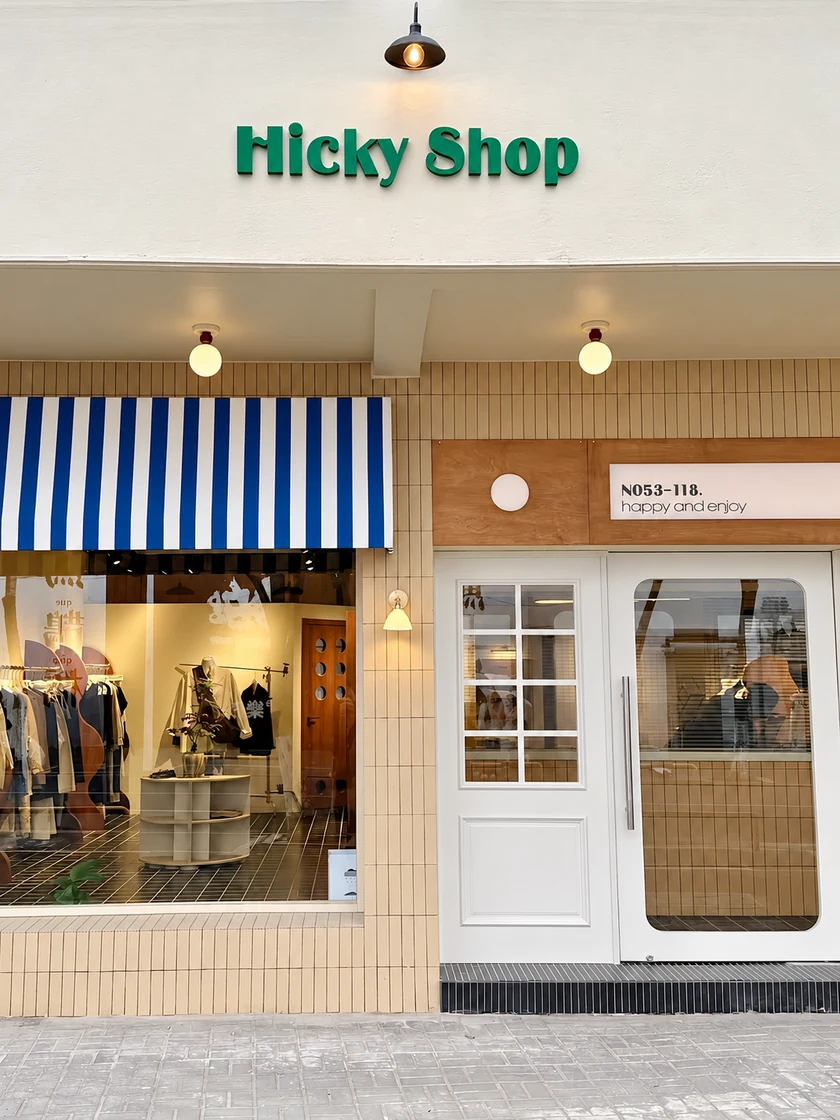
The shopfront below has a distinctive green name and blue-and-white stripes. A bag could carry the name and one related color without recreating the entire façade. The design decision is which visual cue matters most.
For a first order, ask for a straightforward specification and price optional upgrades separately. A special handle, decorative finish or extra print treatment should have a clear purpose. Simple artwork can help control complexity, although its price advantage still needs to be checked in the actual quote.
Spend attention on the basics: the packaged goods should fit, the name should be easy to read, and the handles and bag construction should suit the intended load. A clear printed logo on a well-chosen bag can do more for the handover than several decorative effects on an awkward size.
Buy quarterly or commit to six months?
Start with a quarter when demand or the design is still settling. It limits the stock commitment and gives you an earlier opportunity to adjust the size mix. This is especially useful for a new shop, a changing product range or a business considering a new logo.
Compare a half-year order when usage is steady and the artwork will stay relevant. It may improve the unit quote and reduce how often you need to place orders. Check the total purchase cost and the number and dimensions of shipping cartons before choosing it; flat-packed bags still need suitable dry storage.
A lower price per bag is less helpful if stock remains unused. Keep the main design suitable for everyday use, and consider a separate seasonal sticker or gift detail for short promotions. Printing a date or limited campaign on the entire supply can shorten its useful life.
The buying period is also different from the reorder point. Ask about sampling, production and delivery for your project, then plan to reorder while enough stock remains to cover that confirmed timeline and an appropriate reserve. Do not wait until the last carton is empty.
Start with one clear brief
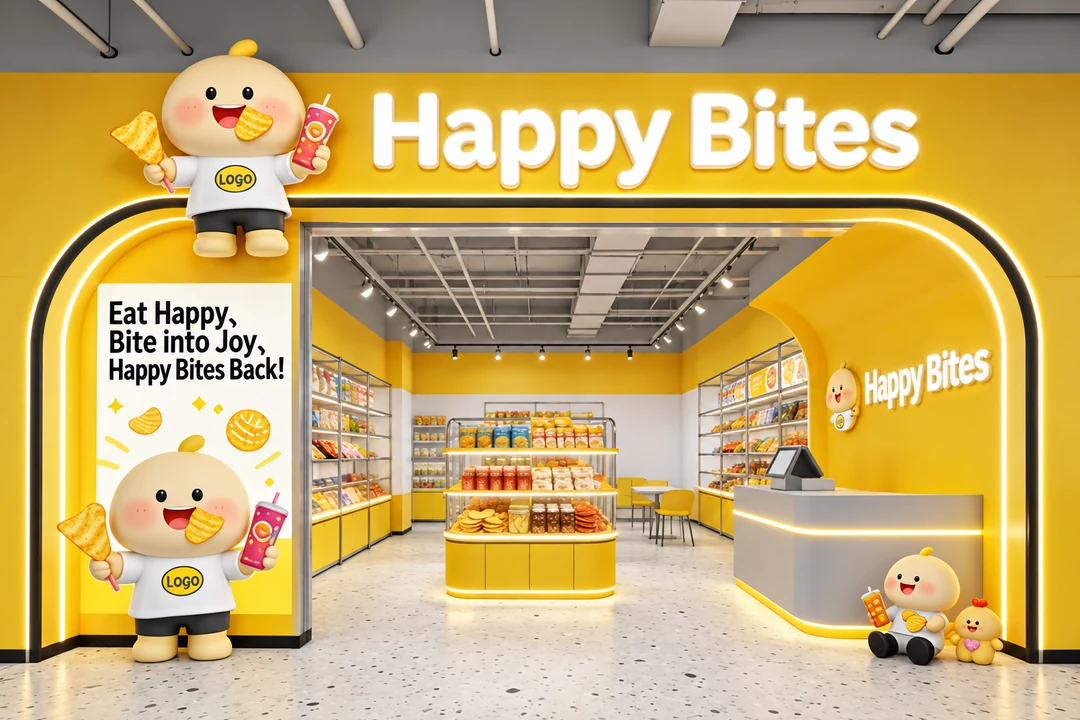
An understated boutique and a brightly colored snack shop need different visual treatments. The yellow retail example below shows how a strong color and mascot can create a consistent identity. The lesson is to carry an appropriate part of your own identity onto the bag, rather than assume that every small retailer needs the same minimalist style.
Before placing the first custom order, put the intended products and their normal wrapping into a suitable sample bag. Check fit, removal and carrying together, then settle the everyday size range. Avoid adding a separate bag size for every product if a smaller range can serve the common purchases well.
For a useful comparison, send PAQIVA:
- The products being carried and their packed dimensions.
- Your actual monthly bag use, split by size where possible.
- The logo, brand colors and any preferred paper or handle style.
- The quantities you want compared, delivery destination and intended date of use.
For a retailer using around 300 bags a month, our recommendation is to compare a practical quarterly order with a half-year option. Branded paper bags do not have to be a luxury addition. A stable design, sensible quantities and a suitable specification can make them an achievable way to improve the store's presentation. Send PAQIVA your retail bag requirements and ask for a comparison based on your actual use.