

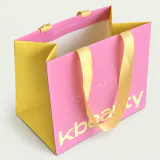
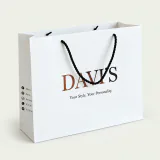
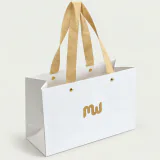
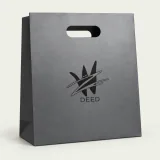




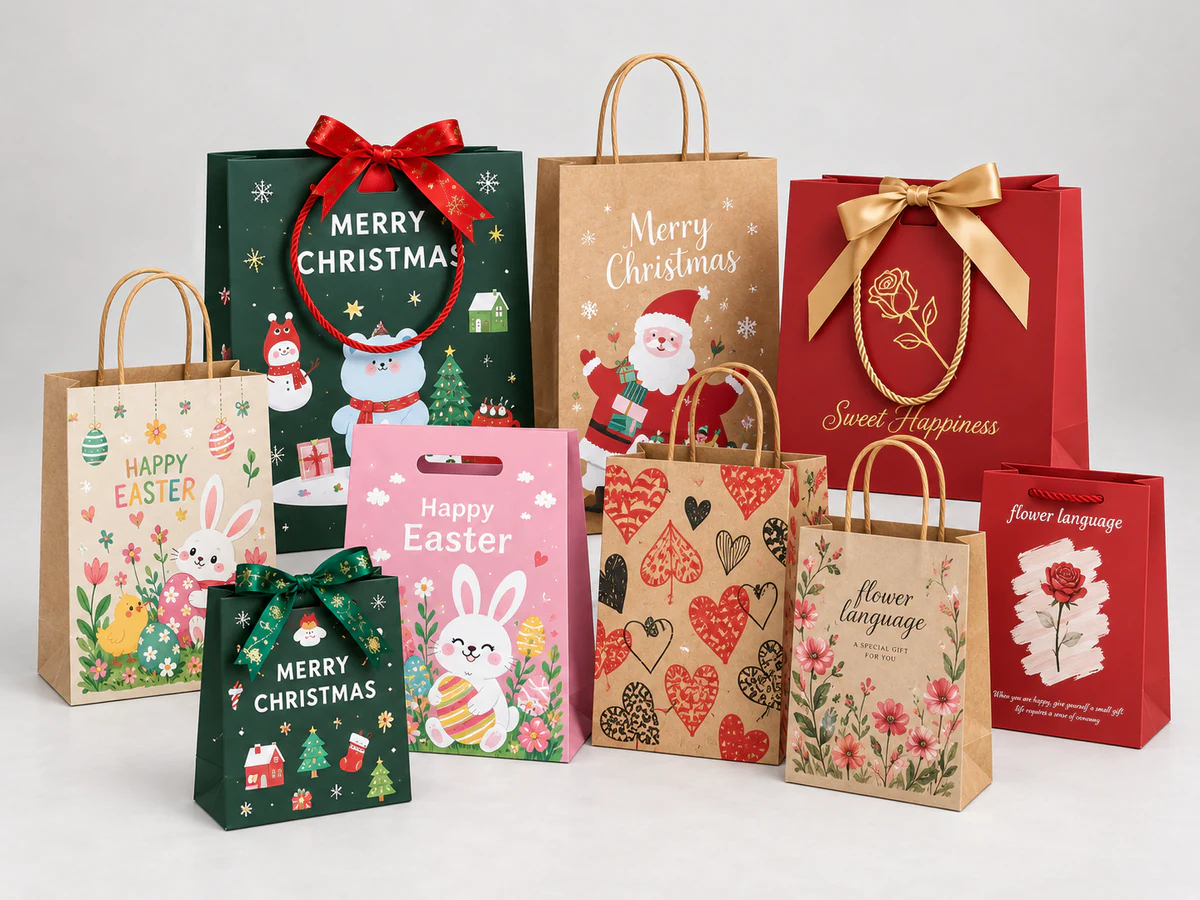




Fully Custom Paper Bags vs Logo-Printed Stock Bags: What’s the Difference?
Understand what paper bag customization includes, where finished-bag printing has limits, and why comparing quantities and the complete specification matters for cost. PAQIVA makes bags for individual projects.
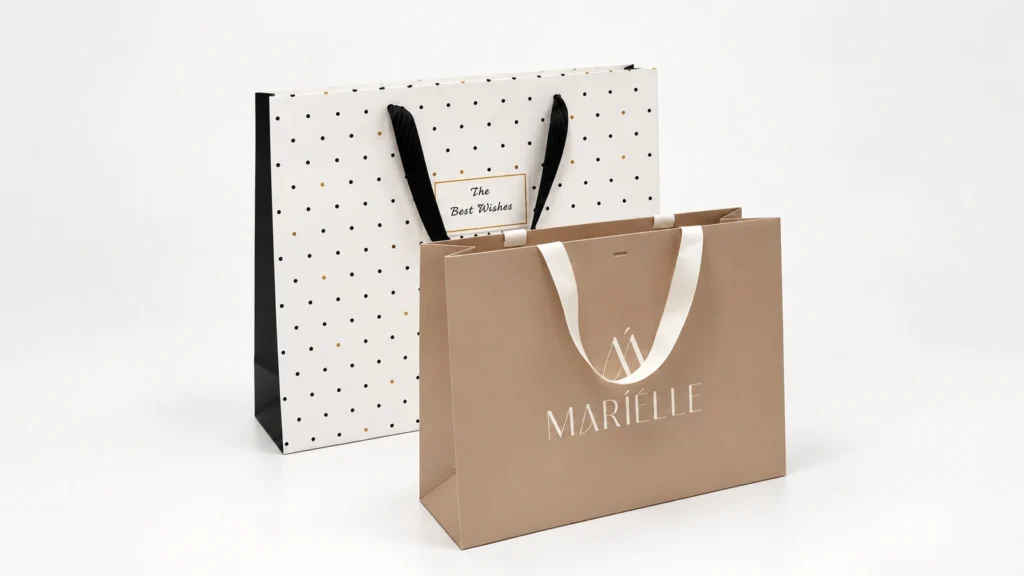
For a small order with a simple logo and a suitable existing bag size, printing onto ready-made bags can be a practical choice. When fit, paper, handles or artwork placement matter more, compare a bag made to your specification. A fully custom bag can also become the more economical option as the order quantity increases.
The useful question is what the supplier can change before the bag is made. “Custom printed” may mean adding a logo to a finished bag, or planning the whole bag around your product and brand.
PAQIVA supplies paper bags made for individual projects. Dimensions, paper, handles, printing and finishes are agreed for the order; the stock-bag route below is a comparison, not a PAQIVA inventory offer.
What does “custom” include?
With logo-printed stock bags, the supplier starts with an existing bag. You choose among the available sizes, materials, colours and handles, then add decoration within that bag's printable area. This can work well when the existing construction already fits the job.
With a fully custom bag, those decisions become part of the specification before production. Options still depend on suitable materials and manufacturing capability, but you can plan the construction and artwork together. PAQIVA's customization options provide a starting point for that brief.
| Item | Logo on a stock bag | Fully custom bag |
|---|---|---|
| Size | Choose an existing size | Specify project dimensions |
| Paper | Available bag materials | Select paper and weight |
| Handles | Usually already attached | Plan type and attachment |
| Print area | Accessible finished surfaces | Plan panels before assembly |
| Finish | Existing surface and compatible decoration | Specify the production sequence |
| Process | Source blanks, then decorate | Make the agreed construction |
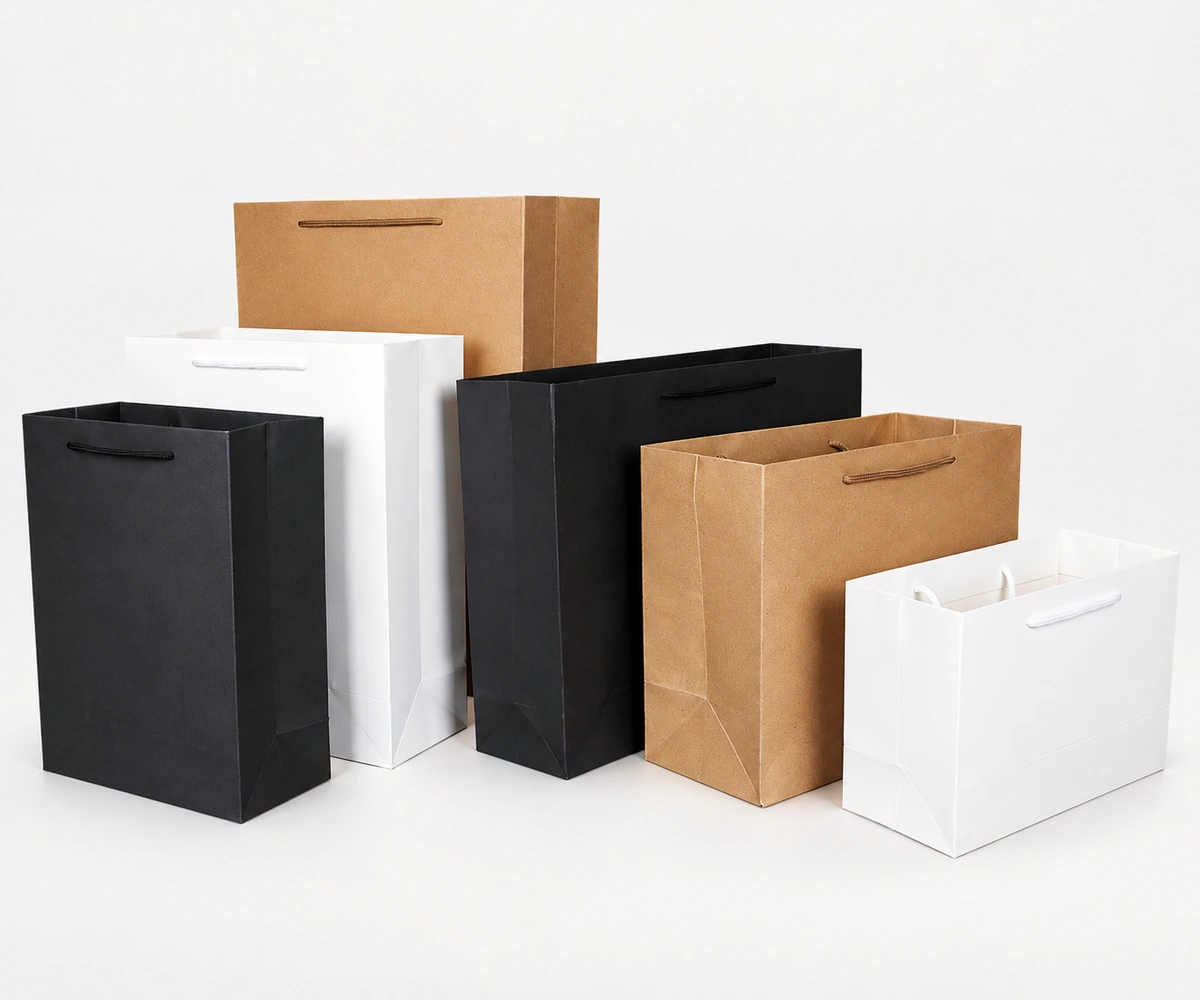
Fit is a useful starting point. A bag that is slightly too narrow may catch a gift box, while an oversized bag can leave it moving around. Measure the packed item, including tissue or inserts, and confirm the usable space with a sample. Extra paper weight alone will not correct the wrong dimensions.
Handle selection also changes the result. Width, drop length and attachment affect the appearance and carrying experience. Compare handle and attachment options with the bag's top reinforcement and intended contents; do not infer load capacity from a handle photograph.
Where can the design be printed?
A finished bag has folds, seams, a bottom and attached handles. These can make it harder to support the print surface evenly or reach a side panel. A stock-bag printer may specify a maximum logo area, a margin from folds and a limited number of print positions. Ask for the template for the exact bag and printing method.
Full custom production allows the artwork to be planned on the flat material before folding and assembly. That makes large backgrounds, coordinated front and back designs, and printed side gussets easier to incorporate into the specification. Bleed, glue areas, fold lines and registration still need checking on the dieline.
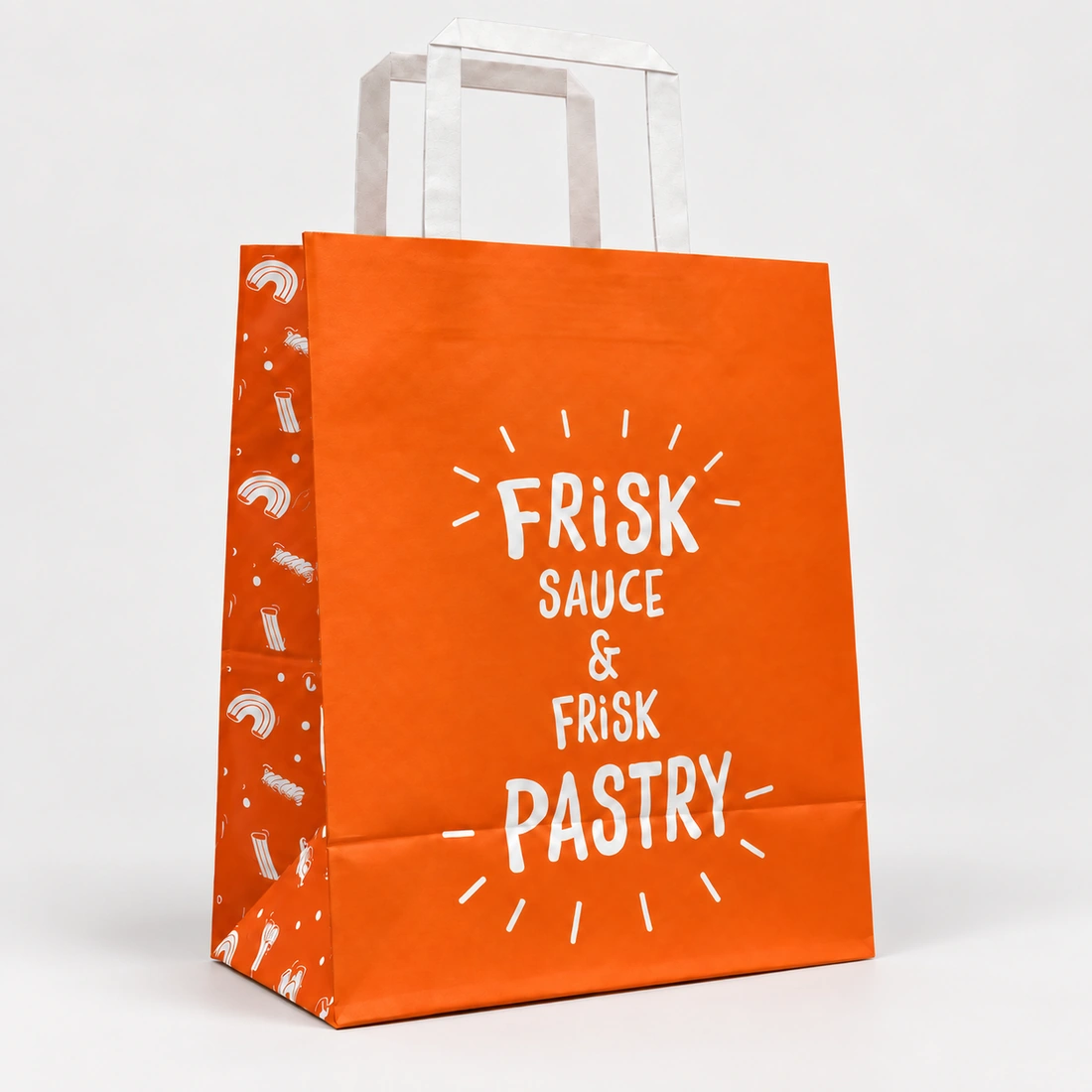
If the design needs to continue around a corner, request a folded sample as well as a flat artwork proof. The pattern may look aligned on screen but meet differently at the fold. For a stock option, ask the printer to mark the actual printable area rather than assuming a full-panel mock-up is achievable.
Can stock bags use spot colours and finishes?
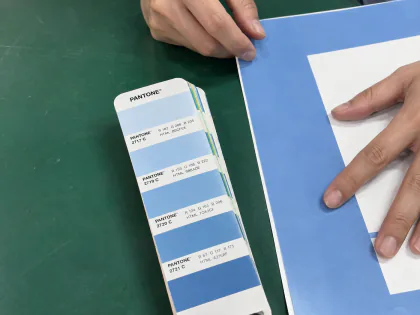
Spot colours are not automatically excluded. A supplier with a suitable screen-printing process may offer a spot-colour logo on finished bags, as this pre-made bag specification with Pantone printing illustrates. Another service may use a limited ink palette or digital colour reproduction. Ask whether a Pantone reference will be matched with a dedicated ink or simulated, and approve the result on the intended paper.
Likewise, a stock bag may already have a gloss or matt laminated surface. Selected pre-laminated stock bags can be foil stamped. That is different from applying a new, continuous film over a bag that has already been assembled. Full custom manufacture lets the supplier plan printing, lamination and converting in the appropriate sequence. Compatibility, artwork coverage and available finishes should be confirmed for either route.
Water resistance is a separate specification. It is inaccurate to say that all logos added to stock bags wash off, or that fully custom printing is automatically waterproof. Ink selection, adhesion to the surface, drying or curing, and the protective finish affect performance. For example, Nazdar's paper-compatible overprint-coating guidance calls for cure, adhesion and performance checks. A surface coating also does not make the entire paper bag waterproof.
For either option, ask for a production-representative sample. Check dry rubbing and, if relevant to use, agreed damp-rub conditions after the ink has fully dried or cured. Inspect for colour transfer, smearing and surface damage. Agree the test conditions and acceptance criteria with the supplier; do not use a photograph as evidence of durability.
How do 100–200 and 500–1,000 bags compare?
In PAQIVA's project experience, two useful comparison ranges emerge. At 100–200 pieces, adding a straightforward logo to a suitable existing bag can have a cost advantage. At 500–1,000 pieces, fully custom production can work out less expensive than purchasing finished bags and paying for secondary printing. These are comparison quantities, not universal break-even points or a promise for every specification.
The reason is how the work is organised. A stock route combines the cost of the blank bag with decoration, setup and handling. Full custom production combines material, printing and bag-making in a planned run. Setup costs can be spread across more bags, while extra print positions or manual handling can add to the cost of decorating finished bags.
Get both quotations at the same quantity and for a bag that performs the same job. Compare size, paper, handles, number of printed sides, ink colours, finish, packing and delivery basis. Separate setup or tooling charges from recurring costs, and ask which charges apply again on a repeat order.
Compare the total delivered cost per usable bag, alongside the cash committed and storage needed. Buying more than you can use does not create a saving simply because the unit price is lower. A stable design and a realistic replenishment plan are what make a longer production run useful.
How should you plan production and repeat orders?
Stock bags can shorten the manufacturing stage if the right blanks are available. Decoration, artwork approval, production queues and shipping still take time. Confirm the exact size and colour availability before planning an event around them.
A fully custom order needs time for specification, artwork, sampling, approval, production and transport. Work backwards from the date the bags are needed, and leave room to correct a sample. PAQIVA's schedule is confirmed for the project; neither route should be assigned a universal lead time.
For repeat use, retain the approved specification, artwork version and reference sample. Forecast quantities by size and design, check remaining bags before reordering, and ask whether materials or processes have changed. This helps preserve the fit and brand presentation without relying on a particular stock range remaining available indefinitely.
What should you send for a useful quote?
Send the supplier enough information to compare an achievable bag:
- Contents and dimensions: the packed product, intended load, and required bag size with units, stated as front width × side depth × body height, excluding handles.
- Paper and handles: preferred material, weight or feel, handle type, attachment and carrying length.
- Artwork and finish: logo files, colour references, every printed panel, coverage and any lamination or special finish.
- Quantity and timing: units for each size or design, delivery destination, required arrival date and likely repeat demand.
Ask for a sample that checks fit, handle comfort, print placement and the surface performance needed in use. Keep the approved sample and written specification together so that a cheaper quote is not accepted with unnoticed changes.
For a bag made around your project, send this brief to PAQIVA. PAQIVA provides free custom-size dielines and free paper bag design assistance. Agree the construction and artwork first, then compare practical order quantities to find the best fit for your budget and repeat purchasing plans.