












Local vs Overseas Paper Bags: How Small Brands Should Choose
Start with your in-hand date and the bag your supplier can make. Then compare delivered cost, including a small express shipment when only part of the order is urgent.
For a small brand, choose packaging by the date you need it in hand, then by whether a reliable supplier can make your paper bag in the quantity you need. Compare cost after those requirements are met. Local supply is usually the first option to investigate for urgent use. With enough time, a capable manufacturer in China may offer a stronger combination of customization, quality and price. If only part of the order is urgent, ask about sending that part by express and the balance by sea.
Using two manufacturers for the same branded bag is a different decision. It adds work to keep colors, materials and dimensions consistent, so it is rarely the simplest starting point for a small brand.
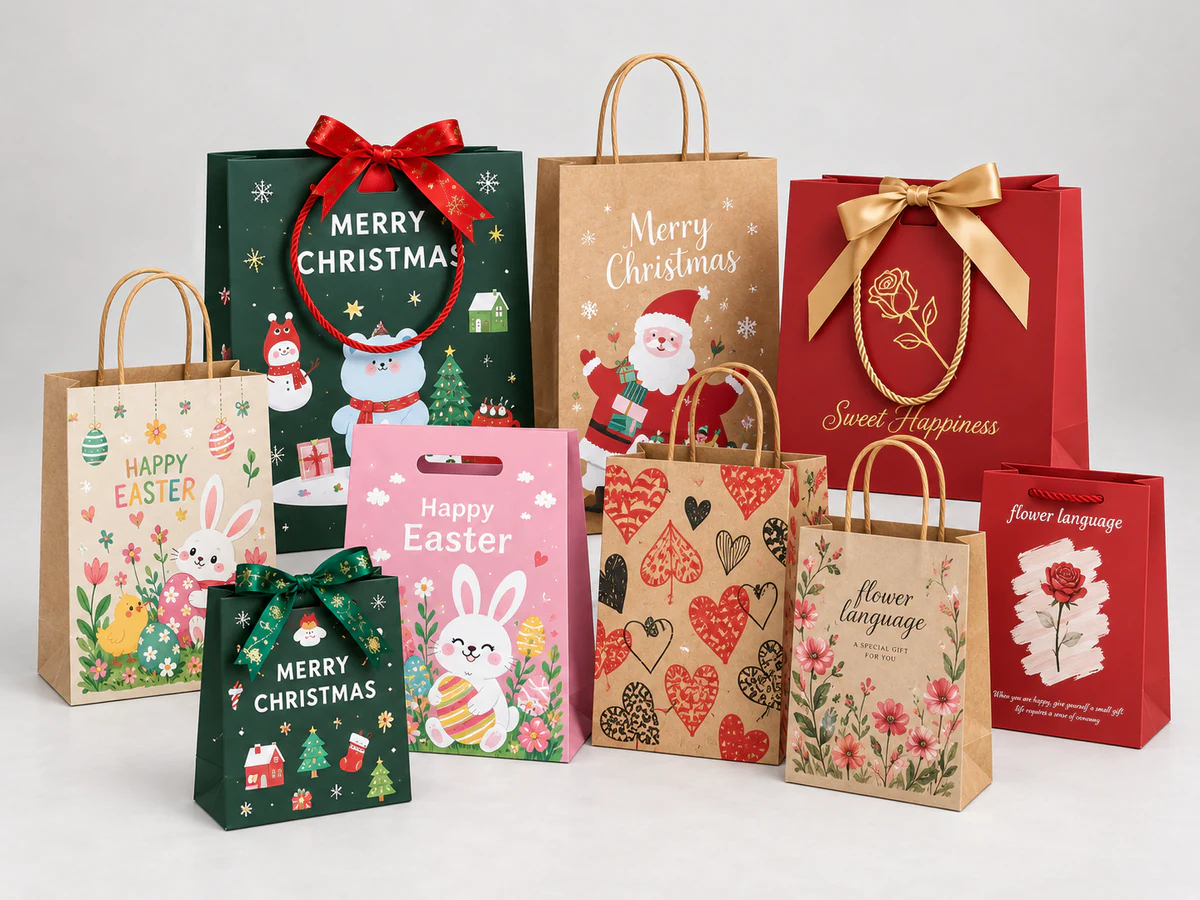
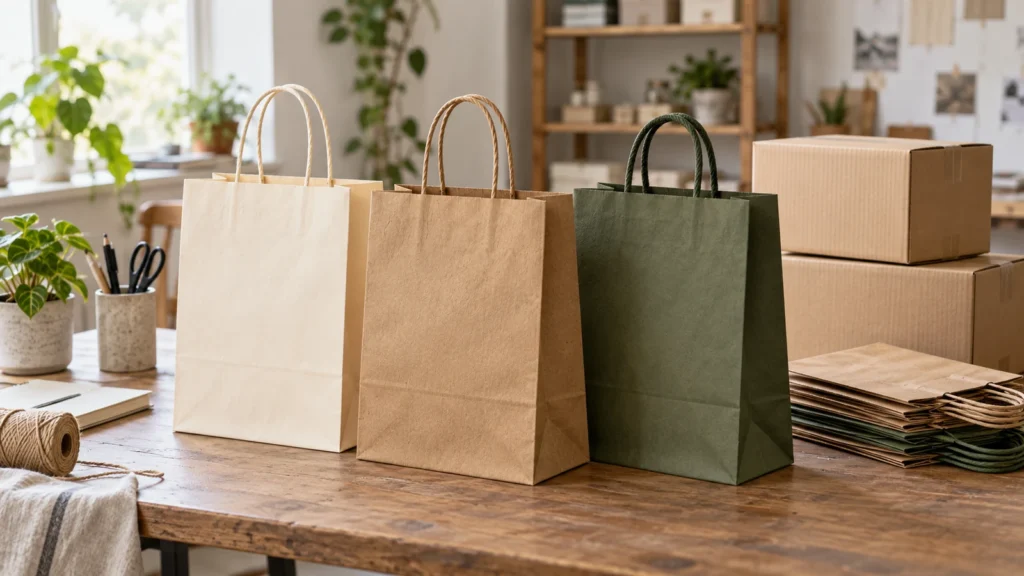
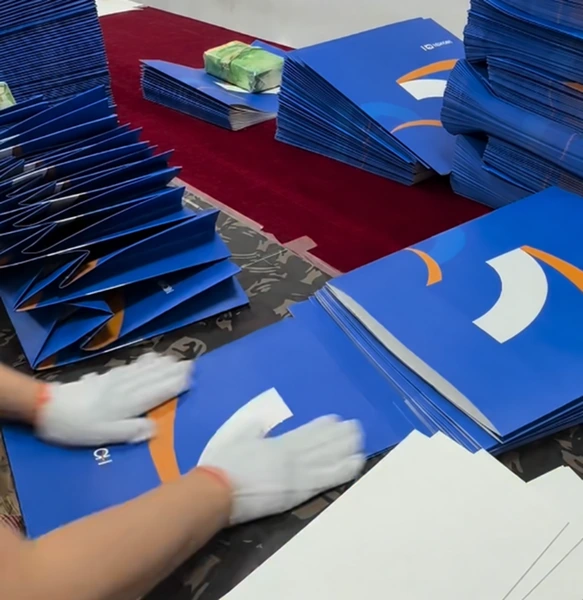
Cover image: an illustrative packaging scene.
| Your situation | Route to investigate first | What decides it |
|---|---|---|
| You need bags urgently | Available local supply | The bags are actually available and suitable for use. |
| You need a specific size or finish | A capable custom manufacturer, local or overseas | The supplier accepts your quantity and can meet the delivery date. |
| You need some bags before the main delivery | One production order, split between express and sea | The first shipment arrives before you run out; the combined cost works. |
| You want two suppliers making the same bag | Only use this when there is a clear reason | Matching the approved bag is worth the extra coordination. |
Start with your in-hand date
Tell each supplier when the bags must be ready to use at your store or warehouse. A factory completion date, a vessel departure date and a delivery date are three different milestones.
Work backward through local delivery, transport and clearance, production, and artwork or sample approval, with room for delays. Ask for the next available production slot rather than a general statement about how quickly the factory can make bags.
Local sourcing can remove a substantial part of the transport wait, especially when suitable bags are already in stock. But a local supplier may import the bags, print on imported blanks, or manufacture them locally. Ask where your order will be made and where the stock is now.
For an urgent opening or event, a standard local size with a simple print may be the sensible compromise. It is useful only if the bag fits your products and is available by the deadline. A nearby supplier offering full custom production can still have a long queue.
Check whether the supplier can make your bag and quantity
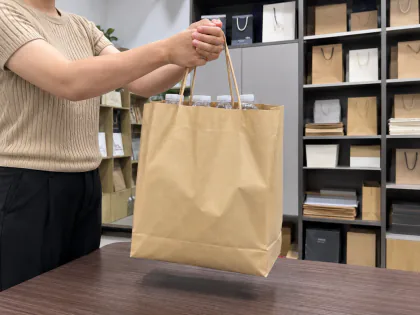
Before comparing prices, send both suppliers the same requirements: bag dimensions, paper, handles, artwork, finish and quantity. For PAQIVA dimensions, L × W × H means front width × side depth × bag-body height, excluding handles.
A local supplier may be a strong fit for an established size and straightforward branding. If it only prints on stocked bags, however, the available dimensions, paper colors, handle styles or print areas may limit your design. A local custom manufacturer may offer much more; check its actual capability rather than assuming it is restricted.
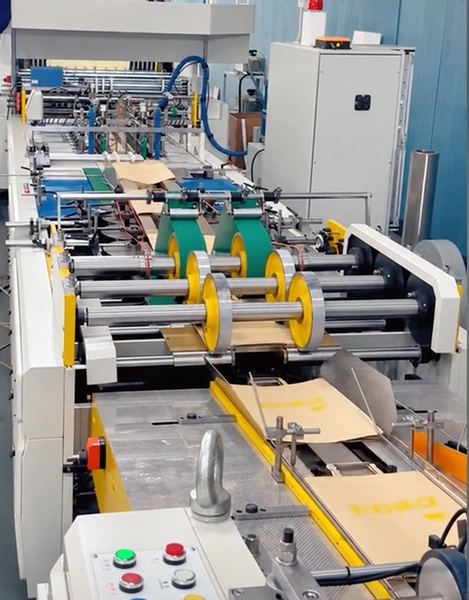
China is worth comparing when those restrictions matter. Established networks of paper suppliers, printers, finishers and bag makers, experienced production teams and competitive production costs can support a wider range of custom work at an attractive price. For some specifications, that coordination can also shorten production time.
Those are potential advantages, not guarantees attached to a country. Quantity, machine setup, material availability and the current schedule determine the result. A small, complex order may not suit a particular factory. Faster production in China can still mean later arrival after international shipping.
Judge quality against the same approved specification and physical sample, rather than treating either “local” or “made in China” as a quality grade. If no suitable local supplier can make the bag at your quantity, overseas sourcing may be the better fit even before comparing prices.
Compare delivered cost for the options that can work
A lower bag price is useful only if the order reaches you in time and matches the agreed specification. Request a comparable total covering:
- The bags and any separate sample, setup or tooling charges.
- Freight and any agreed insurance.
- Applicable import duties, taxes and clearance charges.
- Delivery to the same final address.
Ask what each quotation already includes so that you neither omit charges nor count them twice. DHL's customs guidance explains landed cost in terms of goods, freight and applicable import charges; the amount depends on the shipment and destination.
Paper bags can be light but bulky. Express freight may be charged by volume rather than actual weight: DHL uses the higher of actual and volumetric weight. Get a freight quote using the proposed carton dimensions, carton count and gross weight.
Compare local supply with overseas production plus the transport service you actually need. If an urgent order requires express for every carton, freight may erase the overseas unit-price advantage. Also consider how much stock you can use and store; ordering excess bags to reach a cheaper price is not automatically a saving.
If the order is urgent, compare local supply with a split shipment
Investigate local availability first. Overseas express is still worth pricing when the bags can be finished in time, but it does not solve an unfinished design or an unconfirmed production schedule.
For example, a supplier may quote around 4–6 working days by express after collection for a particular route. Treat that as a route-specific estimate, not a universal delivery promise or the total ordering time. Confirm the service, destination and treatment of customs clearance. DHL's delivery guidance notes that transit estimates vary with origin, destination, shipment details, holidays and weather, and that some estimates exclude customs clearance.
When only the first portion is urgent, ask one supplier to make the approved order together, send a small quantity by express, and ship most of it by sea. This can cost less than sending everything by express while reducing the matching work that comes with two manufacturers. Compare the actual quotes, including any extra handling and charges for two consignments.
Size the express portion around the stock gap
Suppose you order 3,000 bags and expect to use 100 bags per week. From the expected arrival of the express shipment, you need to cover four weeks until the planned sea delivery. You expect to have 50 usable bags left at that point and choose a 50-bag buffer:
Express quantity = (100 × 4) − 50 + 50 = 400 bags. The remaining 2,600 bags go by sea, subject to practical carton quantities.
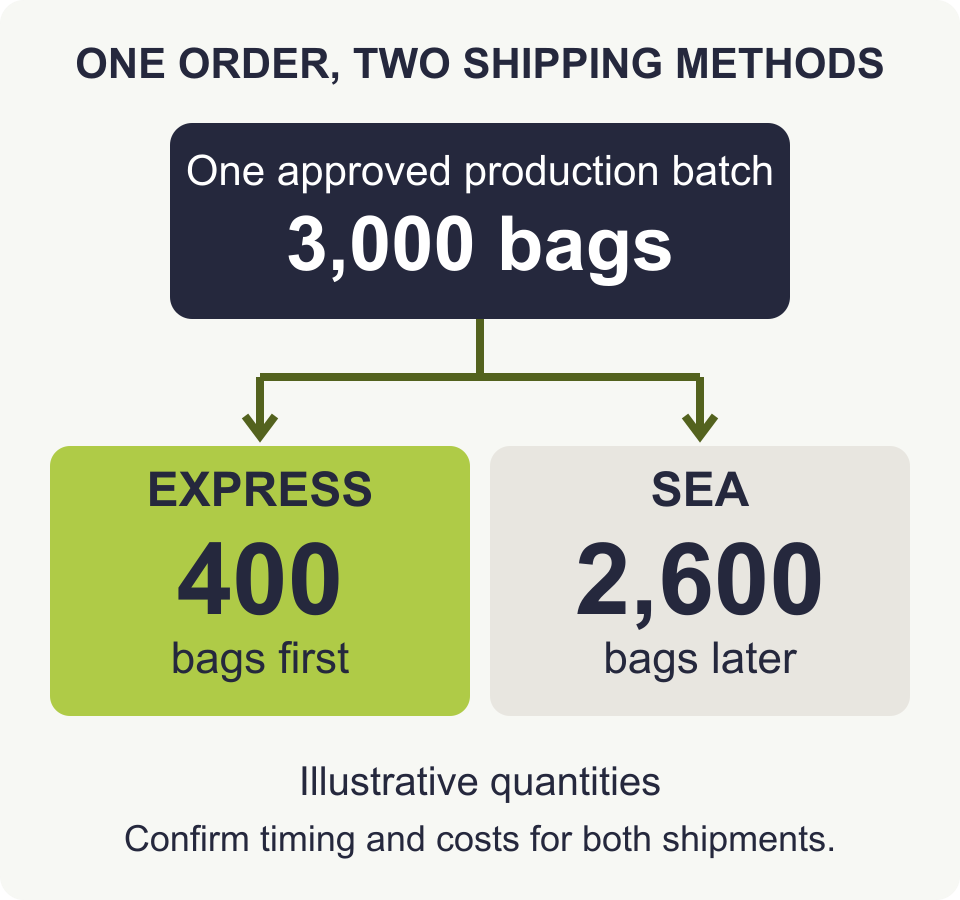
These are planning assumptions, not a shipping-time quote or a standard buffer. The express shipment must arrive before existing stock runs out. If it cannot, you still need an interim local supply or a different launch plan. Increase the coverage period or buffer if your sales or sea-arrival estimate are uncertain.
Should you combine local and overseas manufacturers?
For the same customer-facing bag, avoid splitting production between two suppliers simply because it sounds flexible. Matching the same artwork is only part of the job: paper shade, surface, ink, finish, dimensions, handles and production batches can all affect the result. Color differences may be especially noticeable when customers see both versions together.
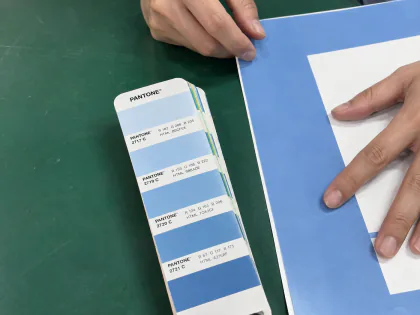
Even the same color reference can look different on different papers. Pantone explains the effect of coated and uncoated substrates, and notes that paper, ink and production variation can influence printed color. Sharing a logo file or color number does not by itself make two supplies interchangeable.
Dual sourcing can make sense when the bags serve different purposes, such as an intentionally simple emergency bag and your regular branded bag, or when you have a specific continuity requirement. For a small brand seeking one consistent design, one approved production batch with two shipping methods is often easier to coordinate. It reduces manufacturing variables; it does not guarantee zero color variation.
Keep the supplier check short, but do it on either route
Both local and overseas sourcing require a reliable supplier. Review a relevant physical sample, agree the written specification and acceptance criteria, confirm the production and delivery schedule, and establish who handles problems. A nearby address alone does not guarantee stable quality.
Overseas orders add exposure to international transport disruption, severe weather, customs delays and slower replacement logistics. Local supply can also depend on imported materials or bags. These risks can be reduced and managed, but their size and the time needed to recover are not necessarily equal.
If you are comparing a custom order with PAQIVA, email sales@paqiva.com with your in-hand date, destination, quantity, bag dimensions, paper and handle preferences, and artwork. You can also review PAQIVA's contact and shipping information. If only part of the order is urgent, include the first quantity you need so that a split shipment can be discussed for your project.