









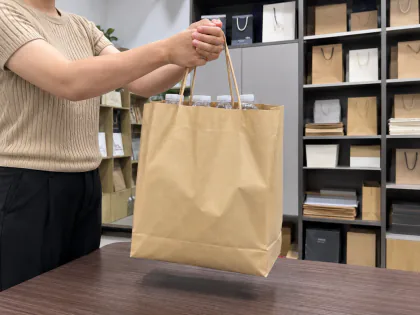
Where to Find Custom Paper Bag Suppliers: 6 Practical Routes
Explore six ways to find custom paper bag suppliers, with search examples, an AI research prompt and a practical brief for comparing quotations and samples.

You can find custom paper bag suppliers through Google Search, Google Maps, B2B platforms such as Alibaba.com and Made-in-China.com, packaging trade shows, AI tools, and referrals. The useful starting point depends on whether you need a nearby printer, a supplier for a fully custom bag, or physical samples you can compare in person.
For a first order, choose two relevant channels and build a manageable shortlist. A local shop arranging collection might start with Search and Maps. A brand comparing custom sizes, handles and finishes could start with supplier websites and B2B platforms. Then send the same packaging brief to the suppliers that appear suitable.
Which channel should you try first?
| Channel | A useful starting point for… |
|---|---|
| Google Search | Finding a specific bag construction, finish or service |
| Google Maps | Visits, local discussions or collection |
| B2B platforms | Comparing suppliers against one set of requirements |
| Packaging trade shows | Handling samples and discussing construction |
| ChatGPT or Gemini | Developing search terms and researching a shortlist |
| Referrals | Learning from a comparable completed order |
1. Use Google Search for specific paper bag requirements
Start with the product and service you need. A broad search for “paper bags” can bring up ready-made bags, consumer gift bags and custom packaging companies together. More specific searches help you inspect relevant results sooner.
Try phrases such as:
- “custom printed paper bags supplier” plus your delivery country;
- “custom paper bags low minimum order” if quantity is the main constraint;
- “paper bags with rope handles custom logo” for a particular construction;
- “custom wine bottle paper bags” for a specific use;
- “paper bag printing” plus your city if you want to explore local printing services.
Open the product pages and look for evidence that the supplier handles the type of work you need: custom dimensions, paper choices, handle options, artwork requirements and sample arrangements. Ask whether “custom” means printing on an existing stock bag or producing a bag with your chosen size and construction. Both can be useful, but the quotation needs to make the distinction clear.
When you find a promising business, search its company name separately and compare the contact details across its website, business listing and quotation. Save the actual product page with your notes so you can explain what interested you when you enquire.
2. Use Google Maps to explore nearby suppliers
Google Maps is useful when a visit, local discussion or collection would help. Search for “paper bag manufacturer,” “packaging supplier” and “custom bag printing” around your city or region. These searches may uncover different kinds of businesses.
A map pin alone does not tell you whether the address is a factory, a printing workshop, a warehouse or a sales office. Google explains that local results mainly reflect relevance, distance and prominence. Their order should not be treated as a manufacturing assessment. Google's explanation of local results.
Before travelling, ask where the bags are made and printed, whether visits are available, and whether the company can show samples related to your project. Also confirm whether a nearby office actually offers local production or collection. A conveniently located contact can still be useful when some production takes place elsewhere.
3. Compare suppliers on Alibaba.com and Made-in-China.com
B2B platforms provide another way to build a shortlist. Search with the same product terms you would use on Google, then compare suppliers against one brief. Alibaba.com's RFQ service lets buyers describe their requirements for suppliers to quote against. Alibaba.com RFQ.
Look beyond the main listing photograph. Ask which construction the displayed price refers to, what the minimum quantity covers, and whether the quoted scope includes your printing, handles, finishing and delivery requirements. A starting price for a different bag is not a reliable basis for comparing your order.
Where reports are available, read them. Alibaba.com's Verified Supplier programme includes third-party assessments; Made-in-China.com's audit reports can include business, production and quality-control information. Check the company name, report date and whether the business is a manufacturer, a trading company or both. Alibaba.com Verified Suppliers, Made-in-China.com audit reports.
Use that information to decide what to investigate next. It does not establish that a supplier can make your exact bag to an agreed standard. A manufacturer, a trading company and a printer may each suit different projects; clarify who coordinates the work, who checks it and who handles problems before deciding.
4. Visit packaging trade shows when samples matter
An exhibition can help when paper feel, handle attachment, print quality or a particular finish is difficult to judge from photographs. You can bring your product or packaging brief and discuss several constructions in person.
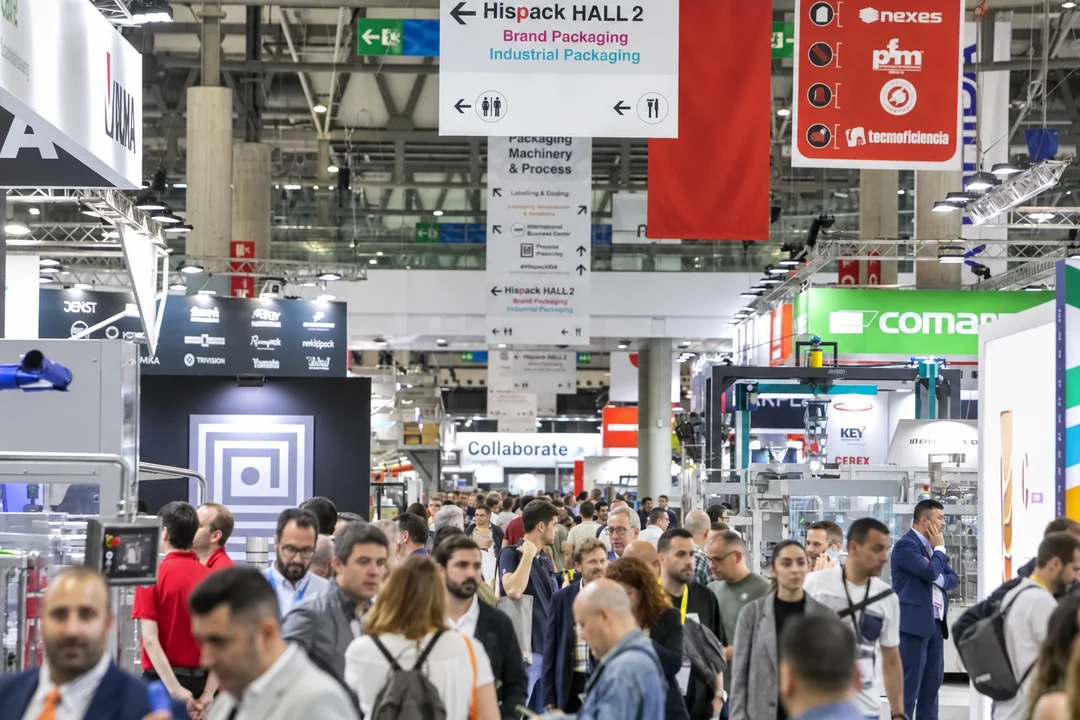
Check the official exhibitor directory before making travel plans. For example, London Packaging Week's directory includes a “Bags – shoppers” product filter. Use it to identify relevant companies, then confirm who is attending the edition you intend to visit. London Packaging Week exhibitor directory.
At the stand, ask which samples the exhibitor produced or supplied and which features can be reproduced for your order. Photograph the sample with permission and note its paper, handles and finish. Follow up with that reference and your own specification: a display sample demonstrates something you can discuss, while your project still needs its own quotation and approval.
5. Ask ChatGPT or Gemini to help research suppliers
AI tools can help turn a vague request into useful search terms, questions and a comparison table. For current supplier research, ask for web research and original links. ChatGPT can show citations when it uses web search, subject to availability and workspace settings; Gemini may provide source links, but not every response includes them. ChatGPT web search, Gemini related sources.
Try this prompt after replacing the details with your requirements:
Research suppliers of custom printed paper bags for delivery to my destination. I will provide the bag size, quantity, handle type, printing or finish, and required delivery date. Use current supplier websites and link to the original product or company pages. For each option, identify its stated location and business role, relevant bag types, and what still needs confirmation. Mark missing information as unknown. Do not infer that a business owns a factory or offers a particular minimum order from photographs alone.
Use the results as a research shortlist. Open the cited pages, check that they support the description and contact the supplier directly. An AI-generated list does not establish production capacity, current availability or the quality of a future order. Avoid sending confidential artwork or customer information when general specifications are enough for the search.
6. Ask for referrals from related businesses
A local printer, design studio, packaging distributor or another business owner may introduce you to a supplier they have used. Ask what was actually ordered: bag size, quantity, print or finish, destination and approximate order date.
A recommendation becomes more useful when you can see the finished bag and understand how the supplier handled sampling and communication. A successful plain kraft bag order gives you a different reference from a complex printed gift bag. Check the match with your own project before adding the company to your shortlist.
Turn the shortlist into comparable quotations
Once you have a few plausible suppliers, give them the same information. Otherwise, the lowest-looking quotation may simply cover a different paper, smaller bag, simpler handle or incomplete delivery scope.
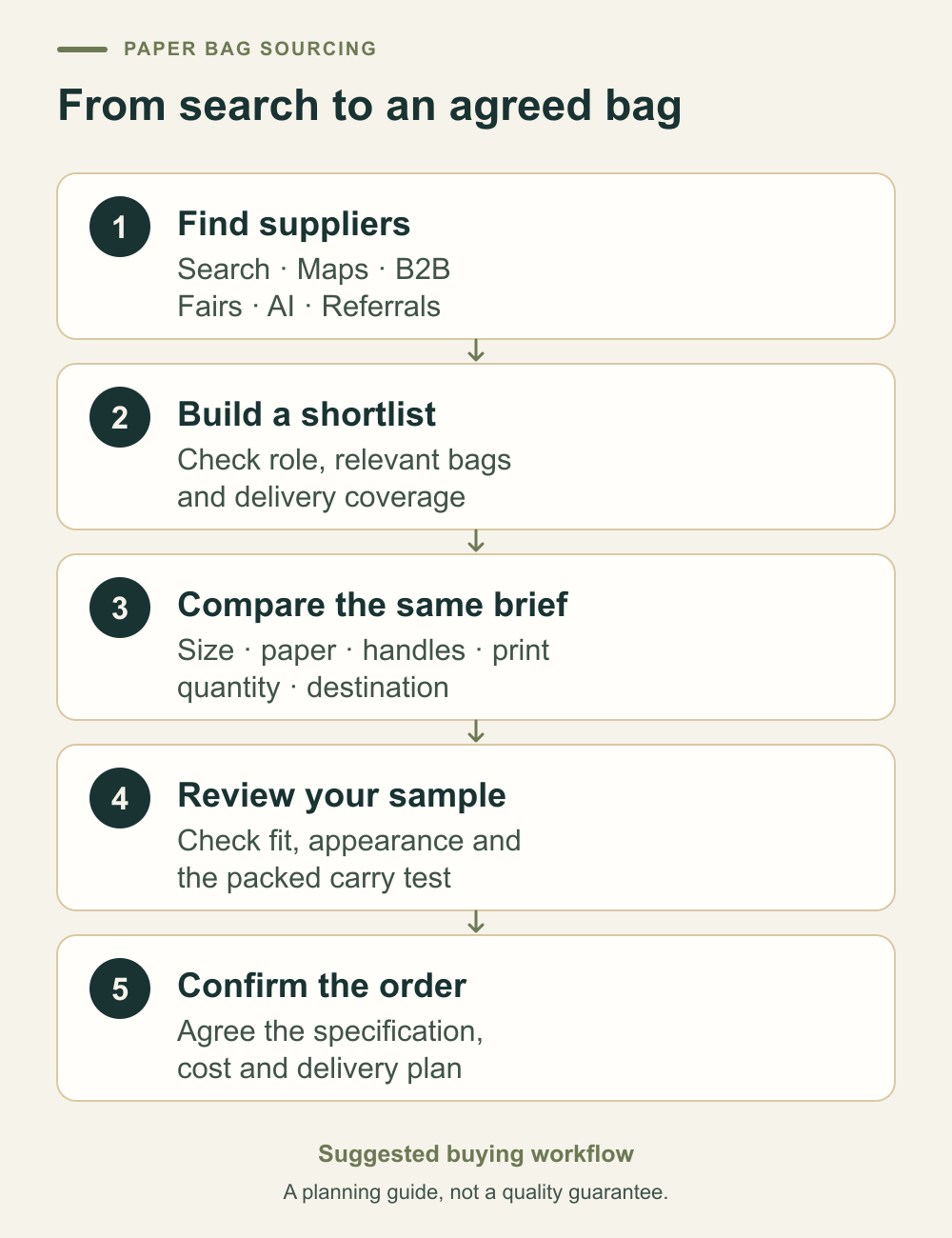
Include these details in your enquiry:
- What the bag carries: the product, packed dimensions and packed weight; mention any box, wrapping or insert.
- Bag dimensions: the desired finished external front width × side depth × body height, excluding handles. If you have not chosen a size, provide the packed product measurements and ask for a proposal.
- Material and handles: your paper preference and handle style, or the appearance and carrying needs the supplier should work from.
- Printing and finish: artwork, colour requirements, printed sides and any foil stamping, coating or other finish.
- Quantity: the quantity for each size and design, with any alternative quantities you want quoted separately.
- Destination and timing: the delivery country and postcode, the date the bags are needed, and whether a sample is required first.
Ask each supplier to identify the quoted specification, sample charges, setup charges and delivery scope separately. Have them state what is excluded and distinguish production time from transport time. That gives you a clearer basis for comparison than a single unit price.
Check a sample before committing to production
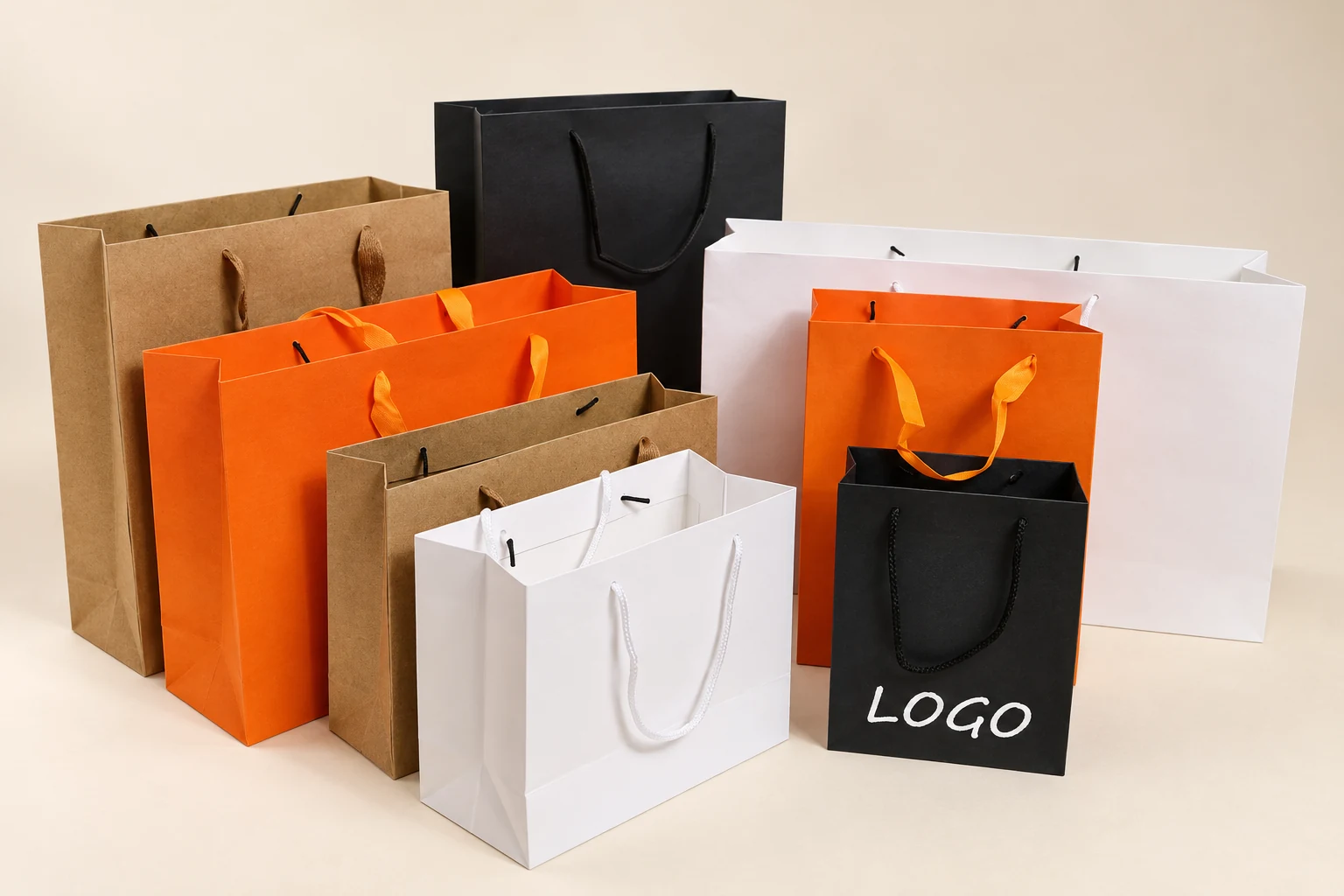
A digital proof helps you review artwork and layout. A physical sample lets you assess the bag with the intended contents: usable space, access, handle comfort, bottom construction and the appearance of the chosen paper and finish. Ask which parts of the sample represent the proposed production specification and which do not.
Test the packed bag under the carrying conditions you expect, and agree any changes in writing before production. For repeat orders, keep the approved specification and sample reference so the next quotation starts from the same requirements.
A short enquiry you can adapt
Please quote custom paper bags for the product and packed dimensions below. Our required quantity, delivery destination and needed-by date are included, together with our preferred size, handles, artwork and finish. Please confirm the bag specification you are quoting, any minimum order requirement, sample options and charges, setup costs, production timing and delivery scope. If another size or construction would suit the contents better, please explain the proposed change separately.
Discuss your custom paper bag with PAQIVA
If you are ready to discuss a custom bag, send PAQIVA your packed product measurements, quantity, delivery destination and artwork or a design reference. Include your preferred paper, handles and finish if you have already chosen them. These details provide a starting point for reviewing the specification and sample requirements. Send a custom paper bag enquiry.
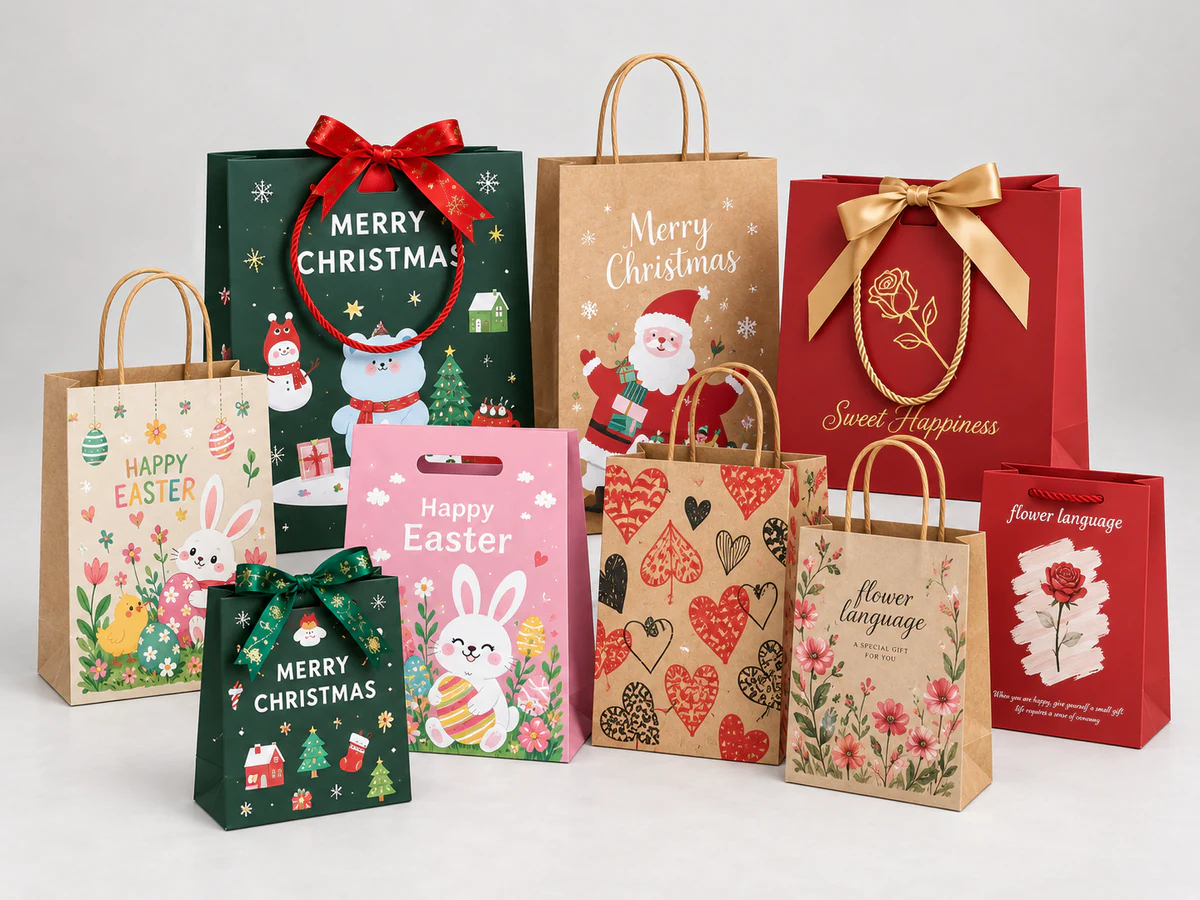
Cover image: AI-generated illustration.