










White Logos on Brown Kraft Paper Bags: What Is Actually Printable?
Clear white logos are printable on brown kraft bags. Compare softer white, stronger coverage and surface feel, then use reference photos and a representative sample to choose a suitable printing route.
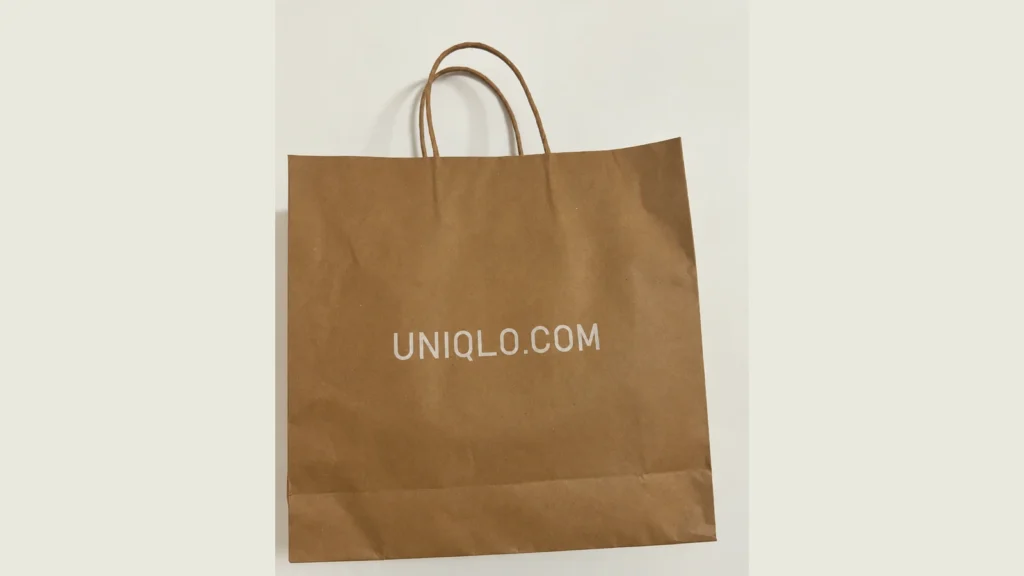
Yes, a clear white logo can be printed on a brown kraft paper bag. Water-based white ink, UV white ink and white screen printing can all be options. The useful question is which white appearance suits your design, budget and order—not whether brown kraft can carry white at all.
Start with a photograph of the effect you like, or ask the supplier to show white printing it can actually produce. A soft white that lets the paper character show and a more opaque white with a noticeable surface layer can both give a readable logo. Your preferred result should guide the process.
Choose the white effect before choosing the process
When buyers say “a clear white logo,” they may mean different things:
- Readable lettering: the logo stands out and the letter shapes are easy to recognise.
- Strong white coverage: little of the brown paper shows through the printed area.
- A particular finish: a soft, natural-looking print, or a smoother white layer that is more noticeable on the surface.
Decide which matters most. For example, a restrained white may suit a simple kraft shopping bag, while a brand with a bold white mark may want stronger coverage. Neither appearance is automatically the right choice for every project.
| Option | What to look for in a supplied example | When to consider it |
|---|---|---|
| Water-based white ink | White coverage, paper texture and how softly the mark sits on the brown surface | You like a quieter white and the natural character of kraft |
| UV white ink | Opacity, sheen and the appearance or feel of the ink layer | You want a more noticeable white surface and are comfortable with that finish |
| White screen printing | Letter edges, fine strokes, solid areas and the thickness of the deposited ink | You want a supplier to match a particular white logo through screen printing |
These are starting points for comparison. Paper shade, artwork and the supplier’s actual printing setup affect the finished result.
Three examples of white printing on brown kraft
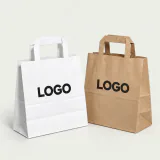
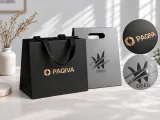
The three supplied photographs are shown below, with a detail from the opening bag photograph used for the water-based example. The printing methods were identified by PAQIVA. These references show different papers and designs, rather than a controlled test of the three methods. Brand names are visible design references; they do not indicate a customer relationship with PAQIVA.
Water-based white ink: a softer white on natural kraft
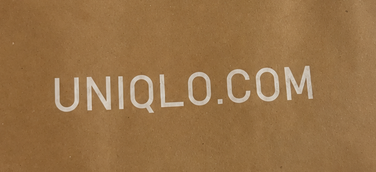
The UNIQLO.COM detail answers the main question directly: the white logo is clear enough to read, even though it has a softer appearance than an intense, solid white. That can be a deliberate design choice.
If you like this effect, show the photograph when asking for a quotation. Explain that you want the same balance of readable white and visible paper character. Water-based printing is worth discussing for that direction, but this photograph should not be treated as the appearance of every water-based white ink.
UV white ink: a more noticeable surface layer
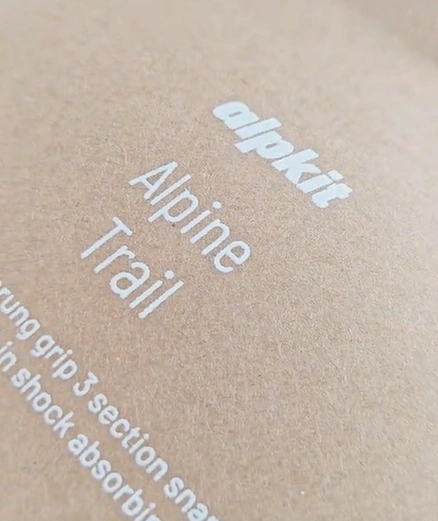
The second reference illustrates a white print with a slight film-like presence on the kraft. Some buyers like that stronger surface presence; others prefer a white that feels more integrated with the paper.
UV white ink cures under ultraviolet light. Depending on the ink and print settings, its layer can be noticeable on the surface. Mimaki’s UV printing explanation describes the formation of a thicker ink film in its UV system; the appearance on your kraft bag still depends on the actual setup.
Ask to see the print straight on and at an angle if sheen or surface texture matters to your design.
White screen printing: judge the actual lettering
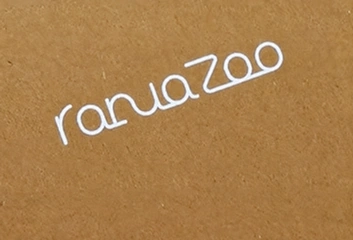
Screen printing is another way to apply a white logo. The third example is useful if you want to discuss the appearance of slender lettering, rather than only looking at large blocks of white.
One technical distinction helps when comparing quotations: water-based and UV describe ink systems; screen printing describes how ink is applied. They are not three mutually exclusive categories. For example, Flint Group’s CombiWhite C3+ is a UV-curable white screen-printing ink with paper among its listed substrates.
For a buying decision, ask both which printing method and which white ink the supplier proposes. Then compare the resulting mark with the effect you want.
Why the same process can produce different whites
Two manufacturers can both offer “white screen printing” or “UV white ink” and produce visibly different results. The process name does not specify the whole finished appearance.
The equipment, white ink formulation, amount of ink applied, paper colour and paper surface all play a part. A different brown stock also changes how the white looks beside it. Artwork matters too: a fine line, a small reversed gap and a large solid logo present different printing challenges.
This is why “Can you print white?” is only the first question. A more useful follow-up is: “Can you show a white logo on a similar brown paper, at a similar size, using the process you are quoting?”
If one supplier cannot provide white through its current printing route, ask about another route or supplier. That limitation does not make white printing on brown kraft impossible.
Balance appearance, cost and production needs
Choose a finish you are happy to use, then compare the cost of producing it at your quantity. There is no reliable universal price order for these three options. Setup, logo size, coverage, available equipment and the supplier’s production workflow can change the quotation.
Consider the priorities for your order:
- Cost: compare quotations against the same paper, bag specification, quantity and agreed white effect.
- Style and preference: decide whether you like a softer white, stronger opacity, a visible ink layer or a particular surface feel.
- Production efficiency: ask which suitable route the supplier can run efficiently for your quantity and required schedule. A method used efficiently by one manufacturer may be less practical at another.
- Environmental requirements: describe the requirement you need to meet and ask about the complete ink, paper and finish specification. “Water-based,” “UV” or “screen printed” alone does not establish that the finished bag is recyclable or environmentally preferable.
Pay for the result your brand needs. A softer white can be a successful choice when it gives the intended appearance; a stronger white is worthwhile when that appearance is important to the design.
Agree the white with photos, then confirm the result
Use one short approval sequence instead of relying on the word “white”:
- Share a reference. Point out what you like: readable edges, stronger coverage, a soft white or the surface finish. If you have no reference, ask the supplier for examples it can produce.
- Compare useful photographs. Request a full view of the logo and a close-up. Similar lighting helps; an angled view is useful for surface sheen. A screen image is a visual guide, not a precise physical colour standard.
- Review a representative sample. Use the intended brown paper and the logo at its actual size where practical. Check the letter shapes, small gaps, white coverage and surface feel together.
- Keep the approved reference. Agree which sample or reference defines the target and what specification the quotation covers before bulk production.
Supply a clean vector logo where available, and ask how the printer wants the white artwork prepared. A white area in a digital preview needs to be communicated as actual white printing. Our paper bag artwork guide explains the files useful for preparing a print job.
To discuss a white-logo kraft bag with PAQIVA, send your logo, preferred bag size, estimated quantity and a photograph of the white effect you like. If you are still choosing, ask for achievable white-print examples first. That gives the discussion a clear visual target and makes it easier to compare suitable processes.